
Designing a Seamless Food Delivery Experience
Designed a user-centered food delivery app for urban professionals and families in Egypt — addressing market gaps in personalization, delivery speed, and user engagement from research through high-fidelity prototype.
2024
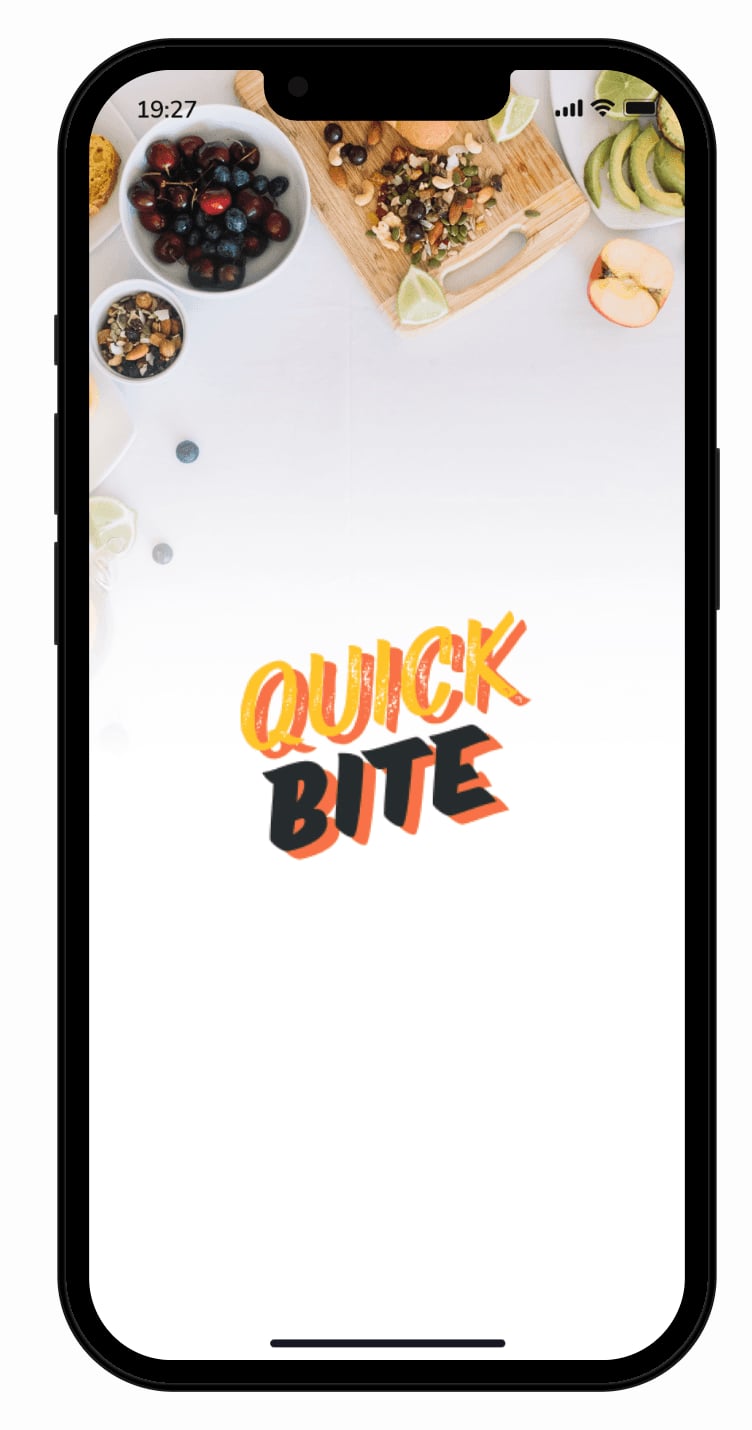
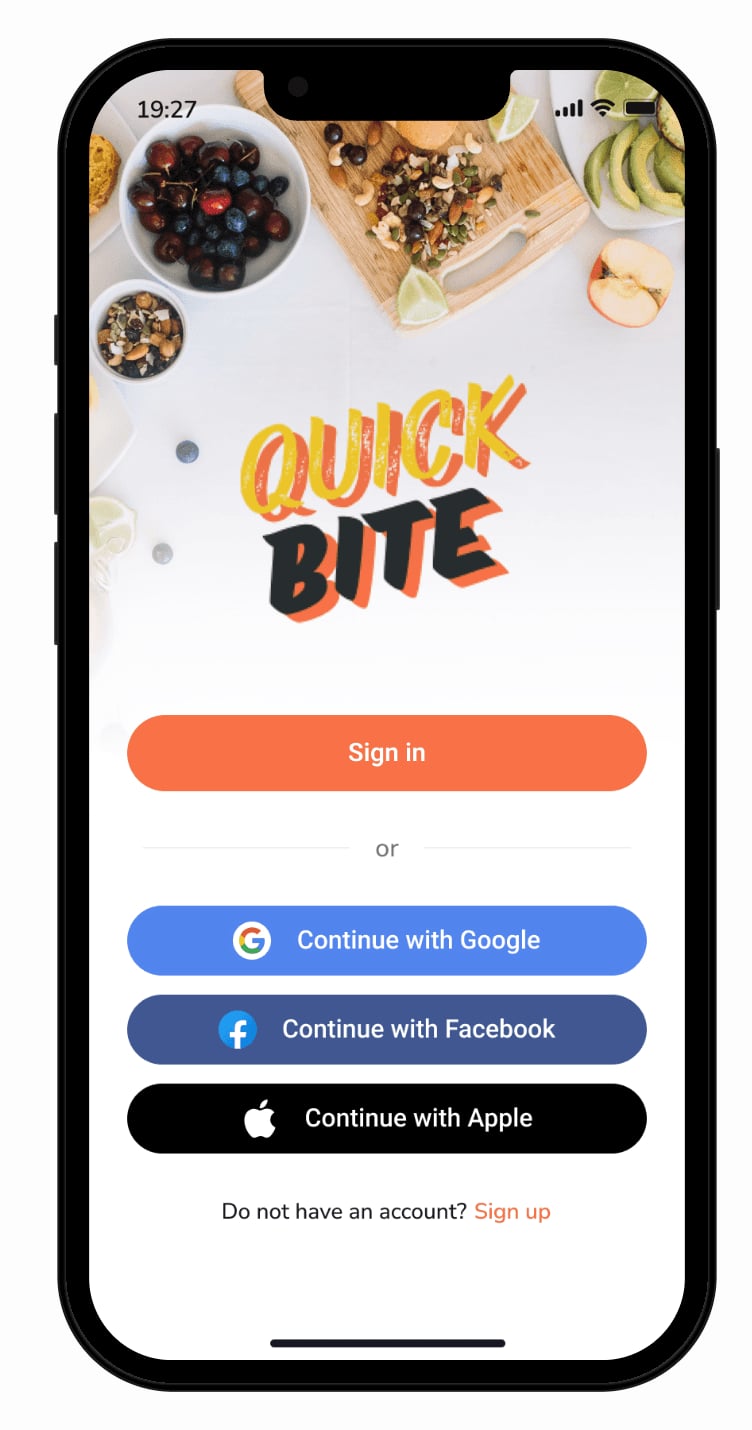
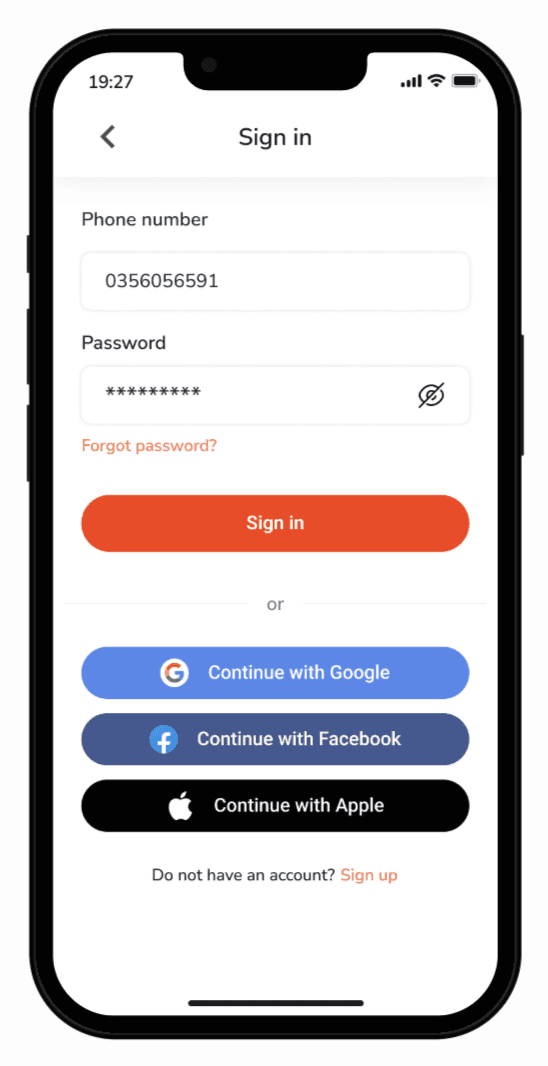
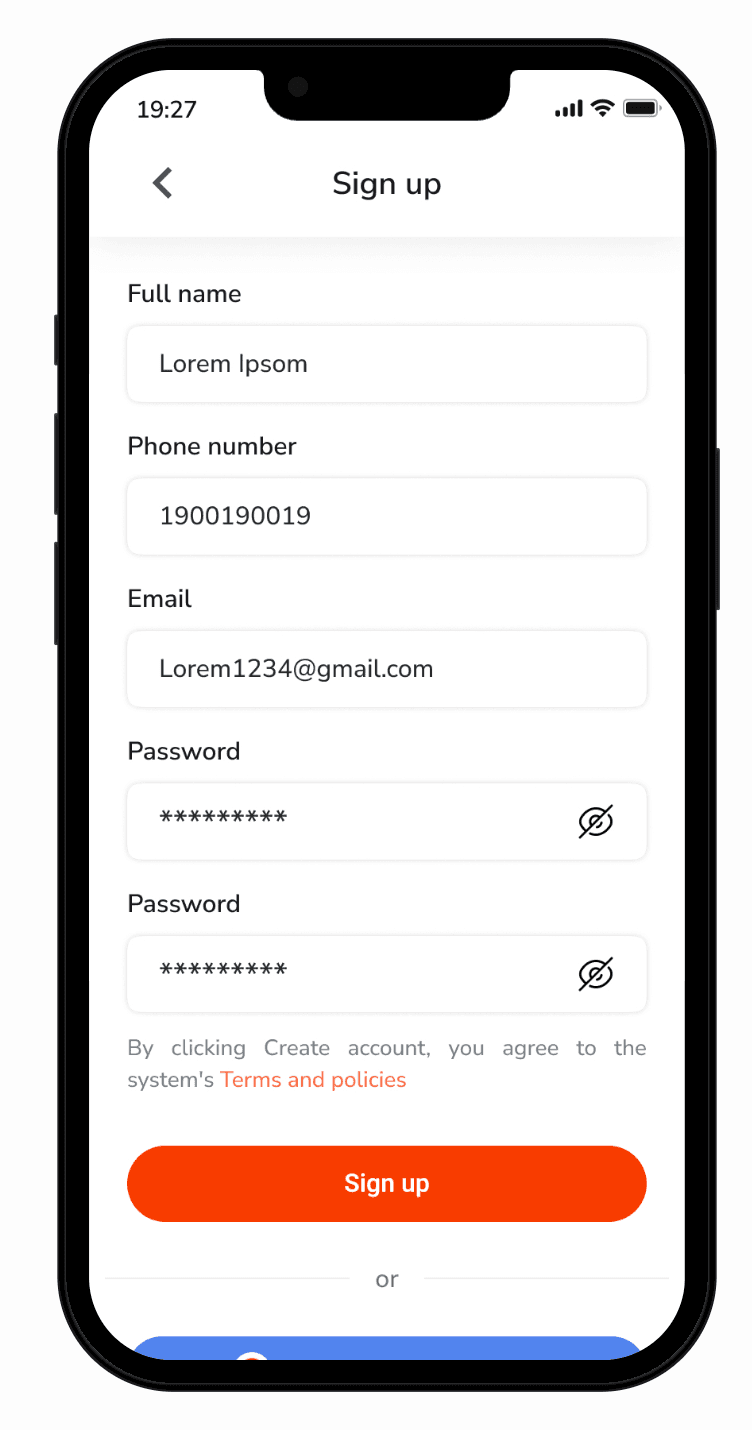
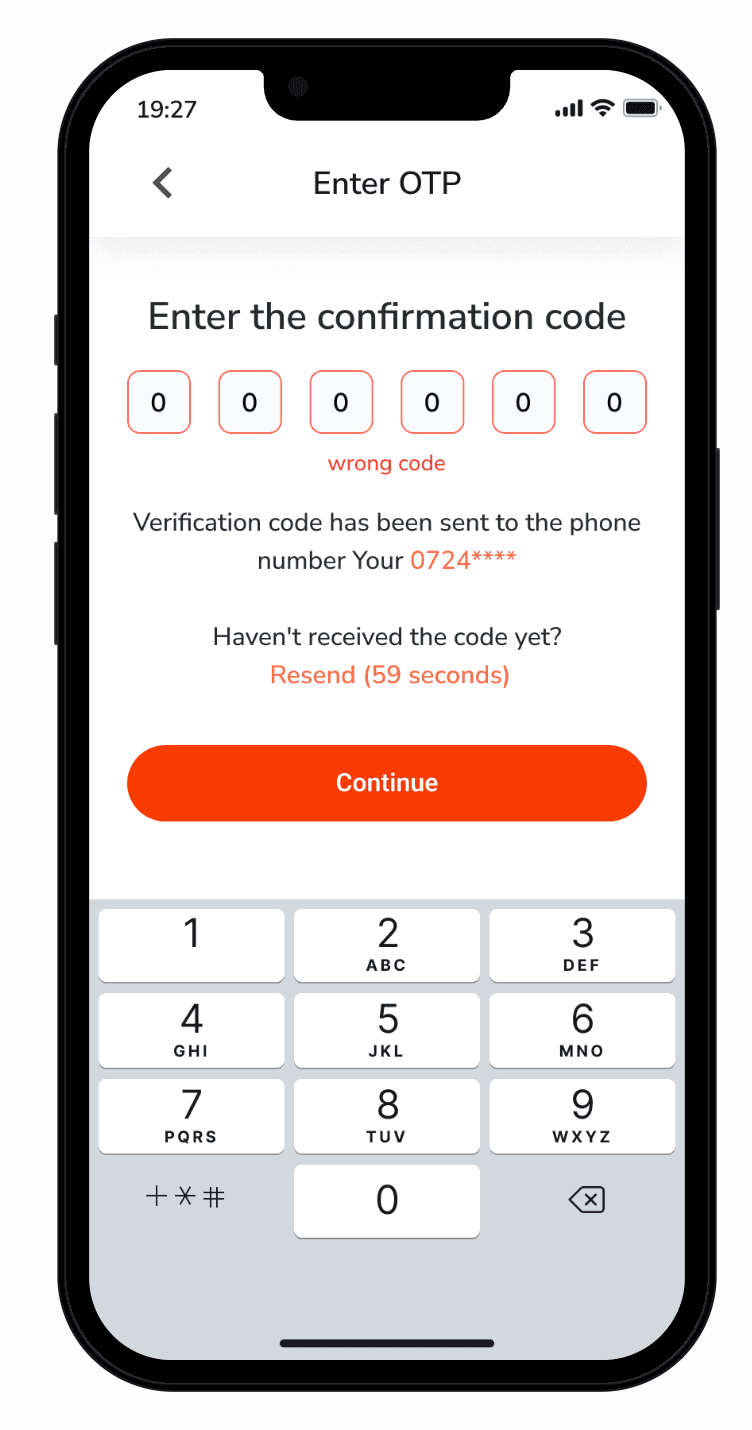
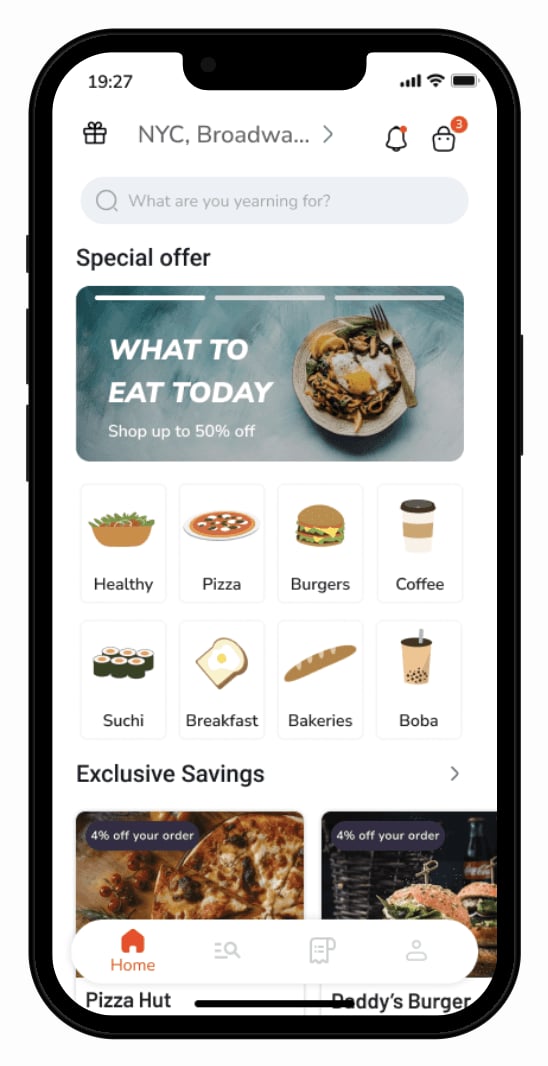
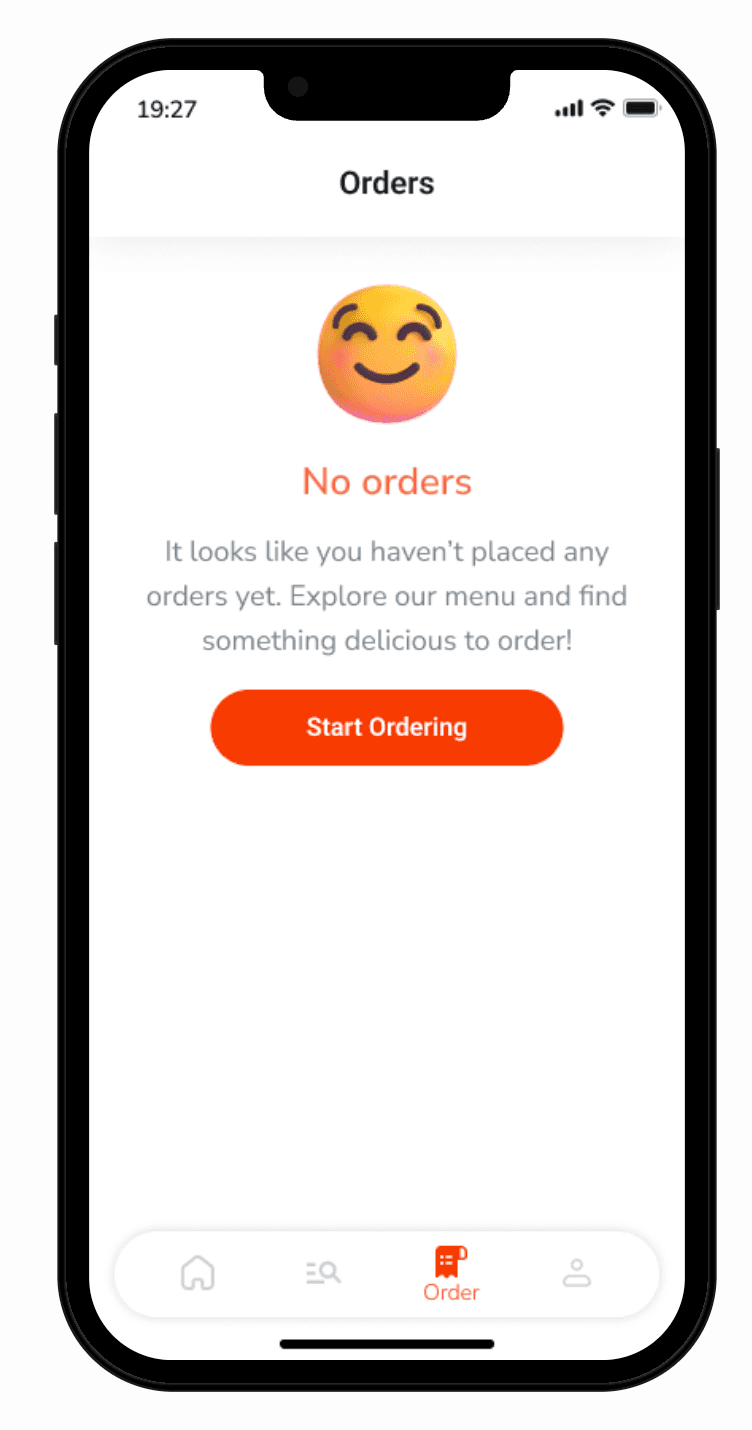
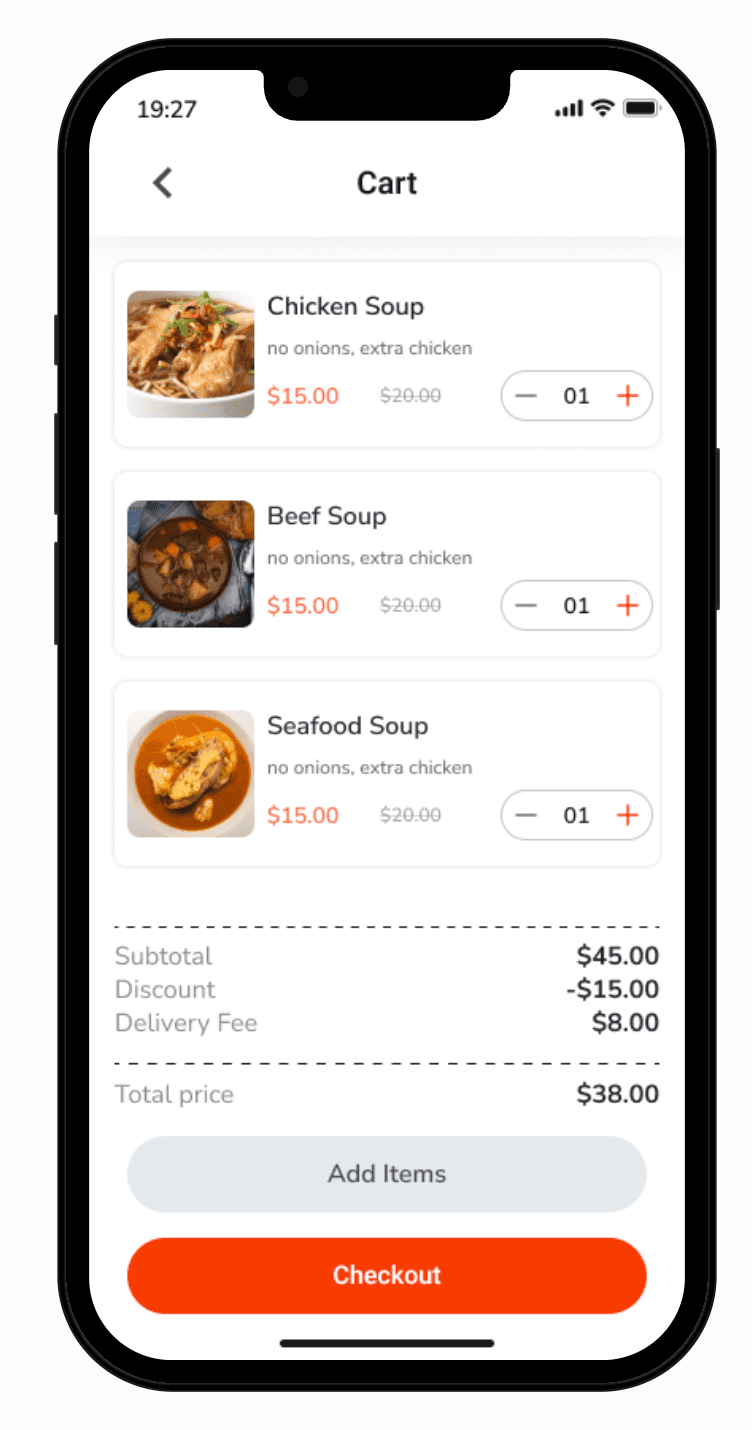
ProblemStatement
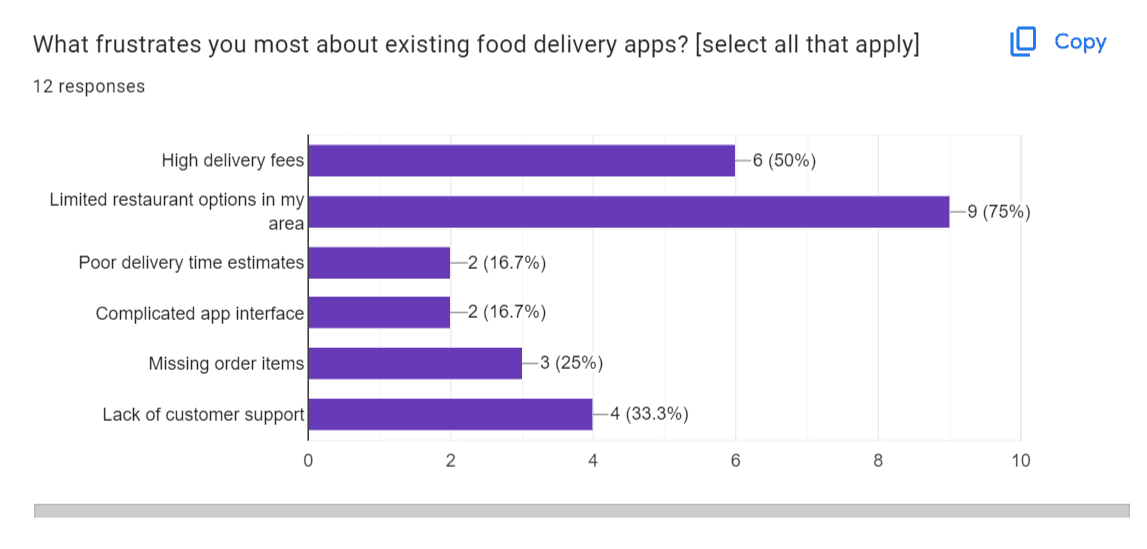
Users of food delivery apps in Egypt face high fees, inconsistent delivery times, and limited restaurant options in less urban areas. Urban professionals struggle with peak-hour delays, families seek better meal bundles, and poor customer service affects satisfaction. These issues impact user retention in a competitive market. Solving them presents an opportunity for a standout product.
Goals
To address the identified challenges, the project focused on achieving the following objectives:
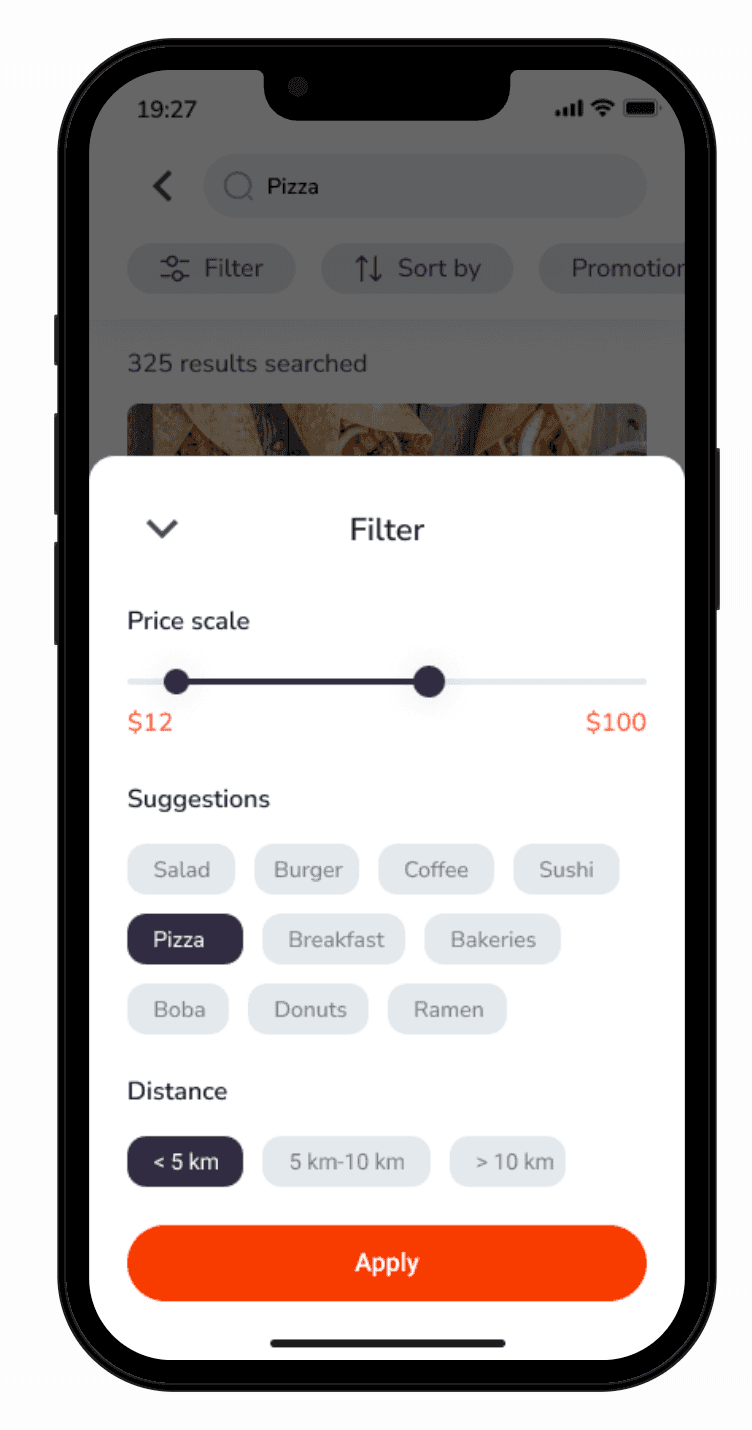
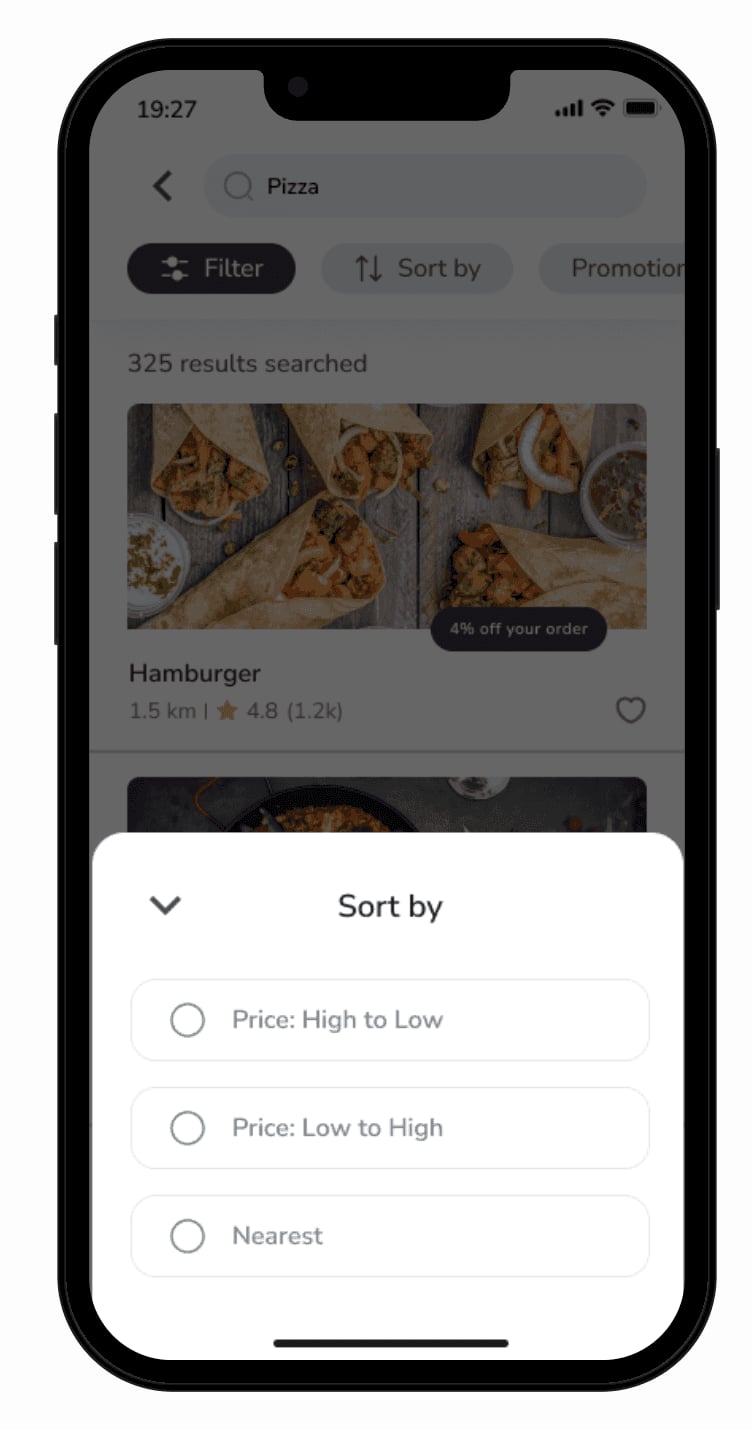
- Implement advanced filtering options to enhance the user experience
- Reduce delivery times by optimizing logistics and local partnerships
- Increase user satisfaction through improved customer support and loyalty programs
DesignProcess
This case study follows the structured design thinking process—Empathize, Define, Ideate, Prototype, and Test—to create user-centered and impactful solutions.
Empathize
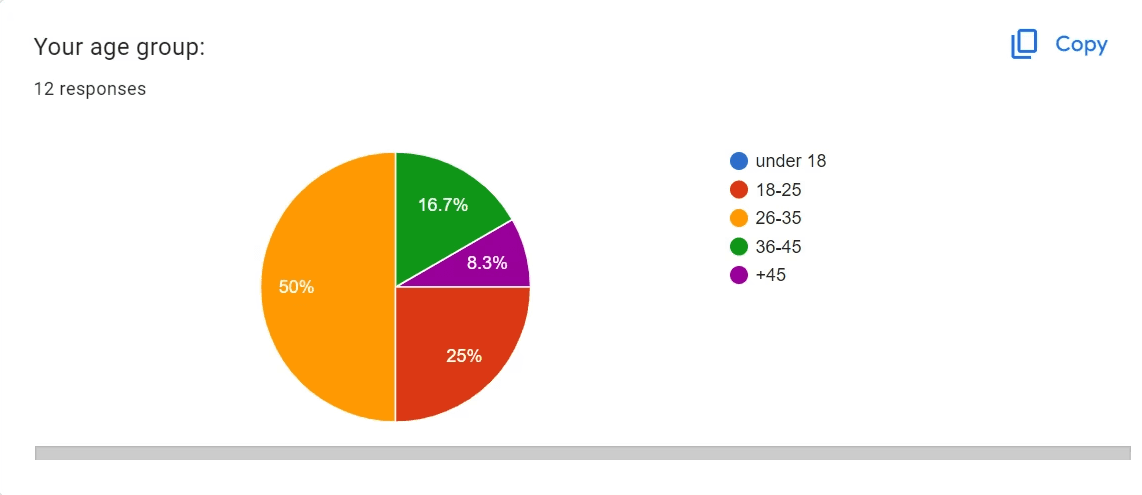
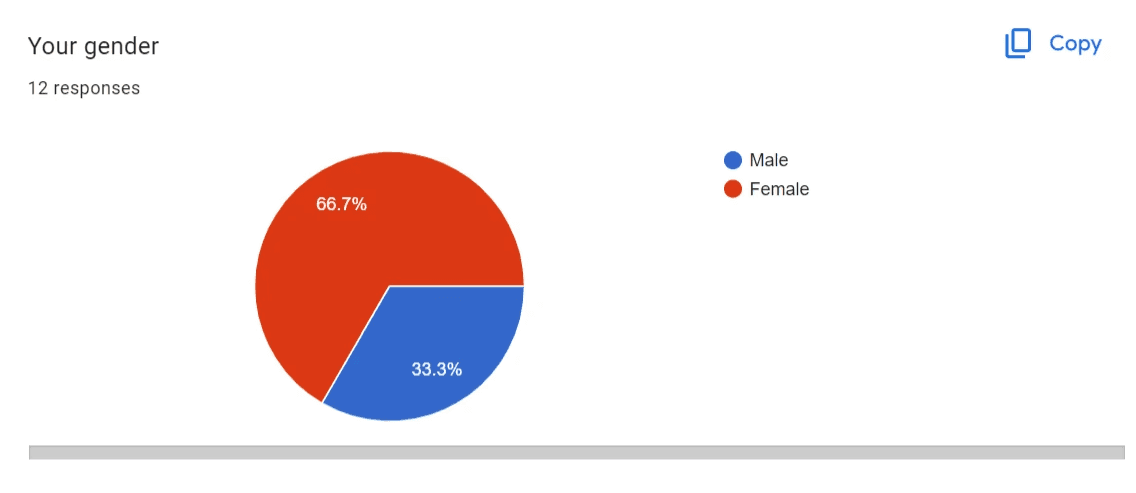
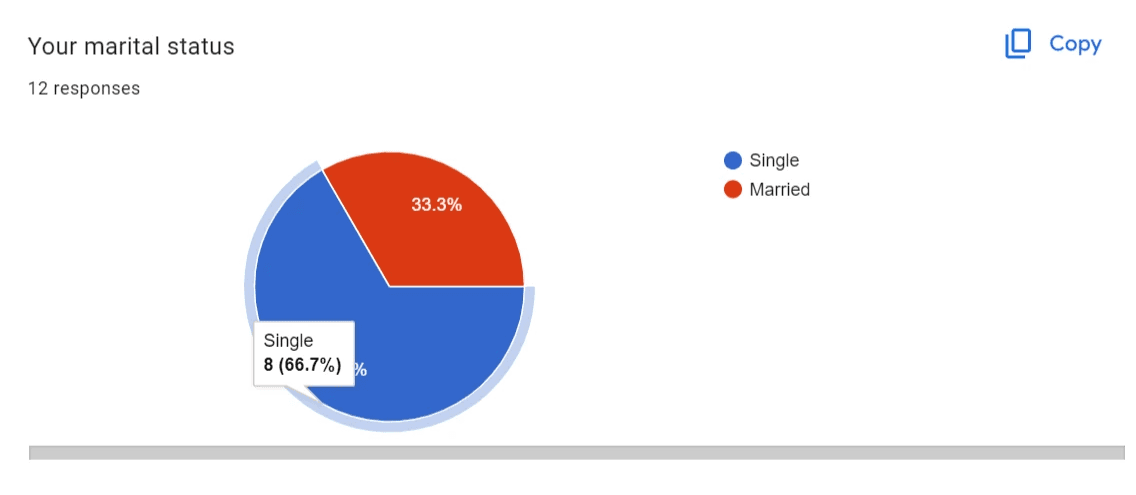
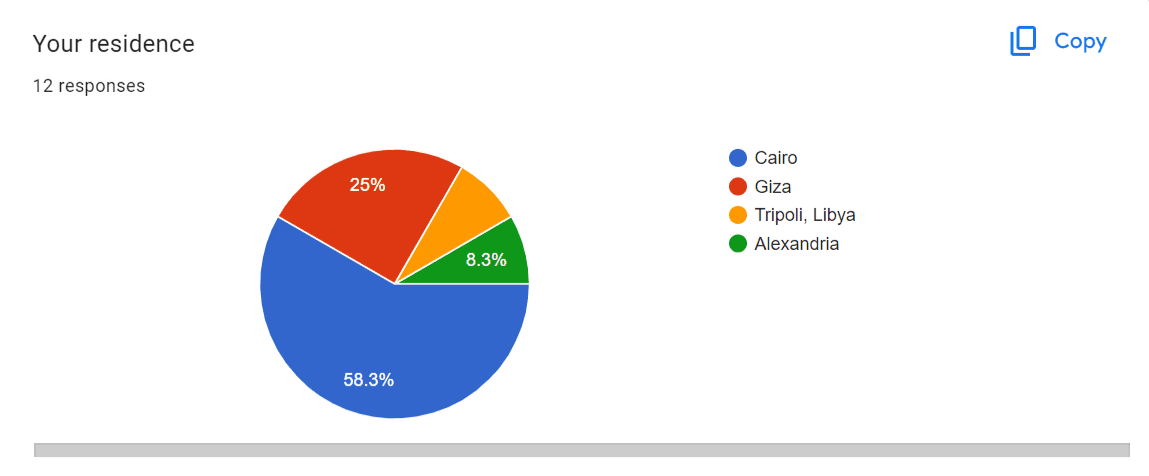
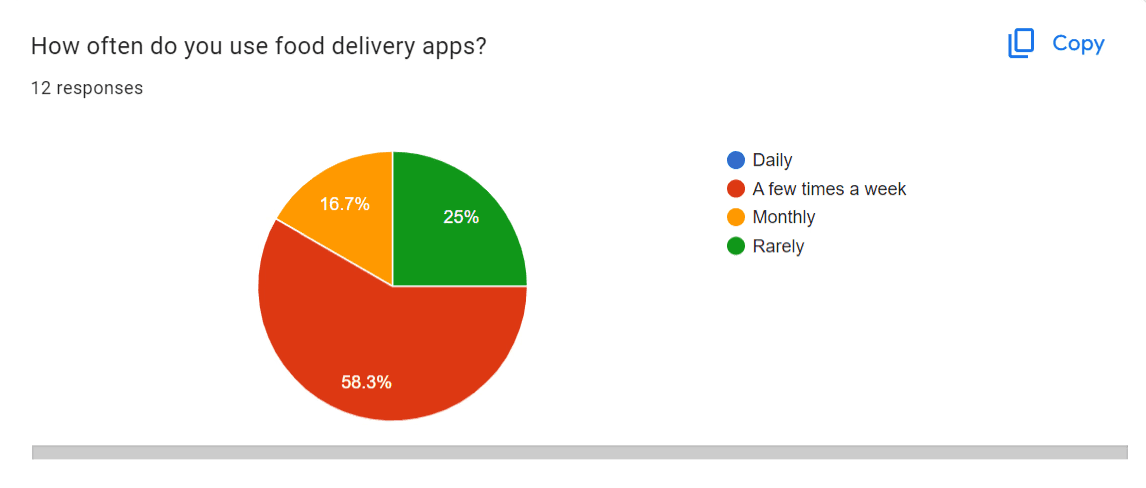
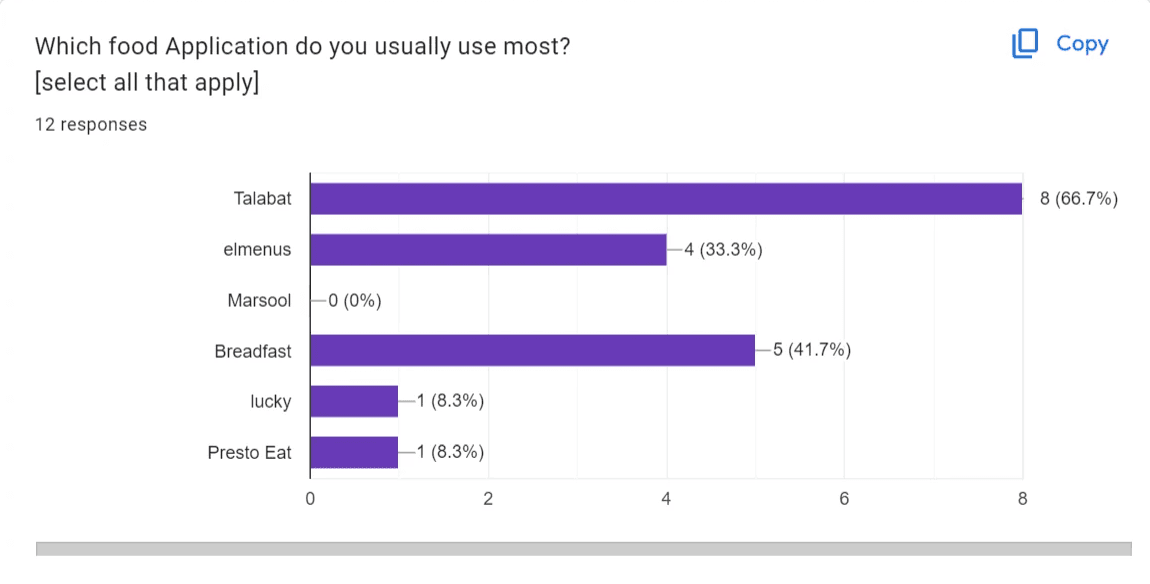
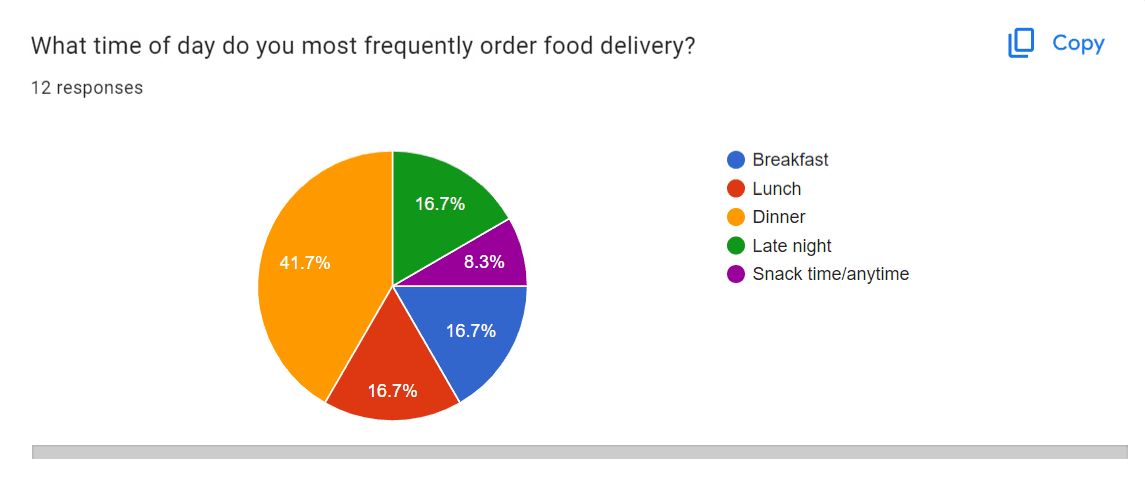
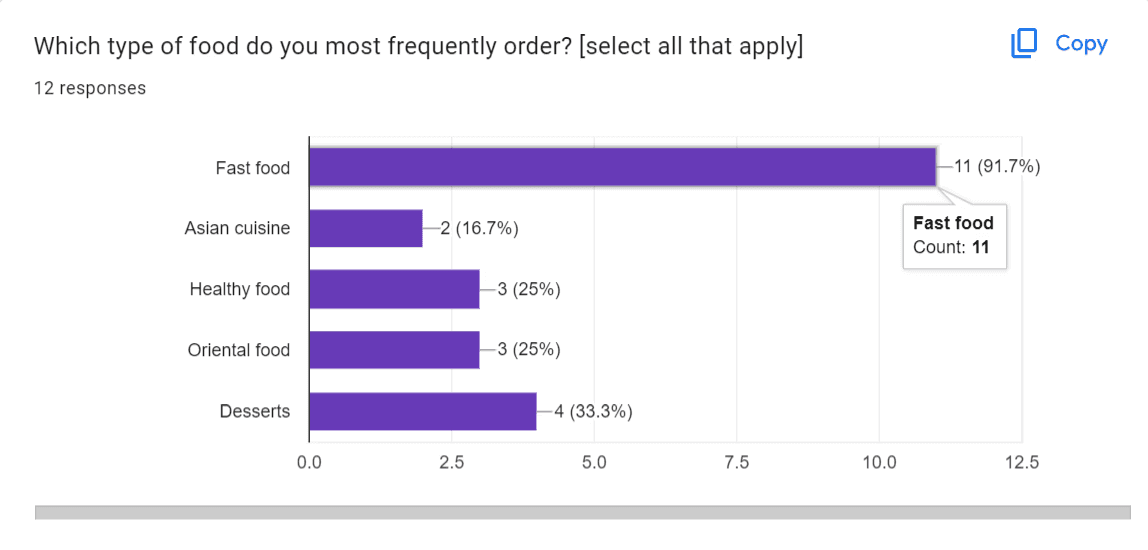
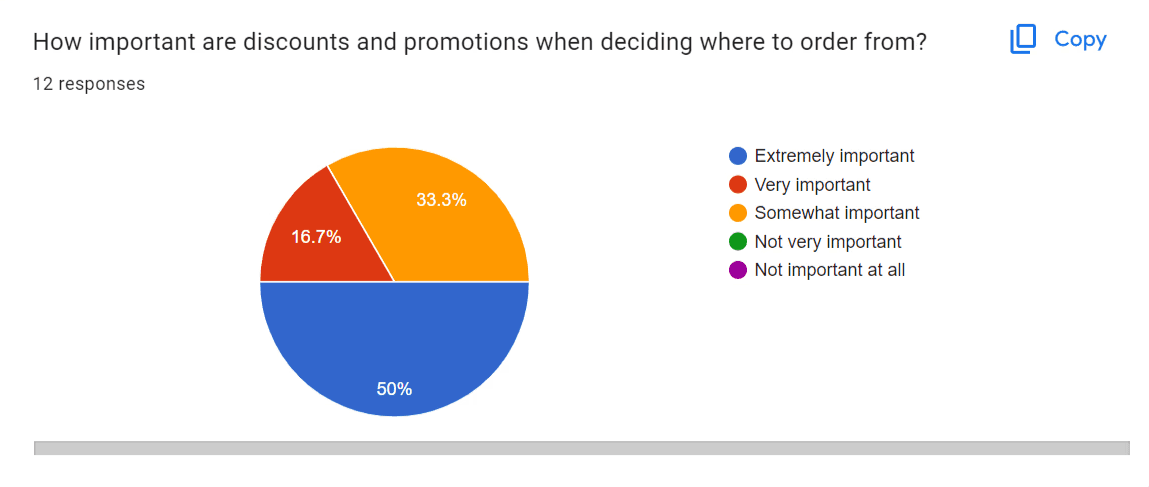
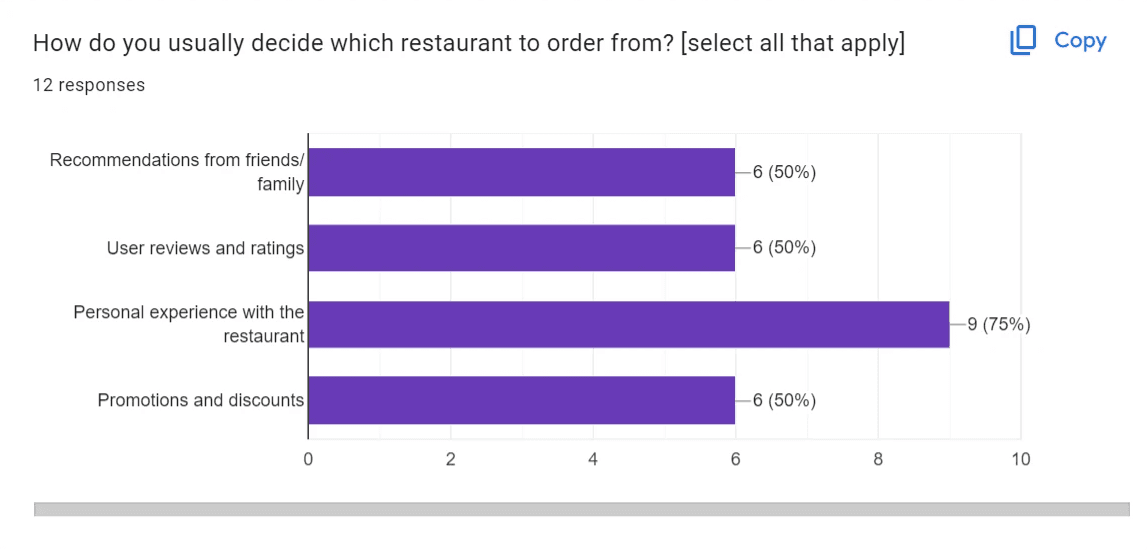
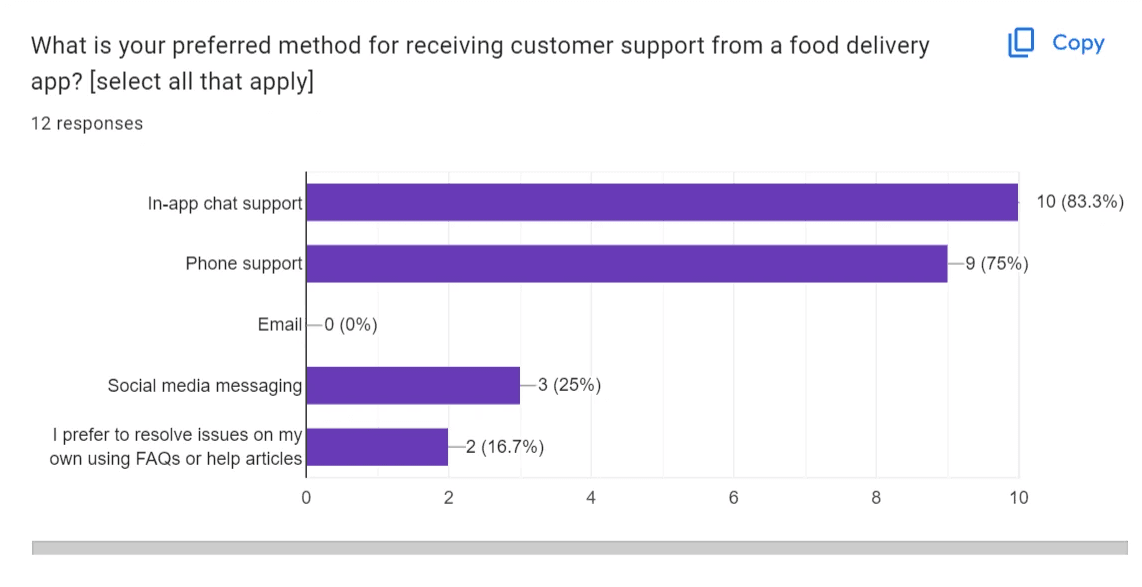
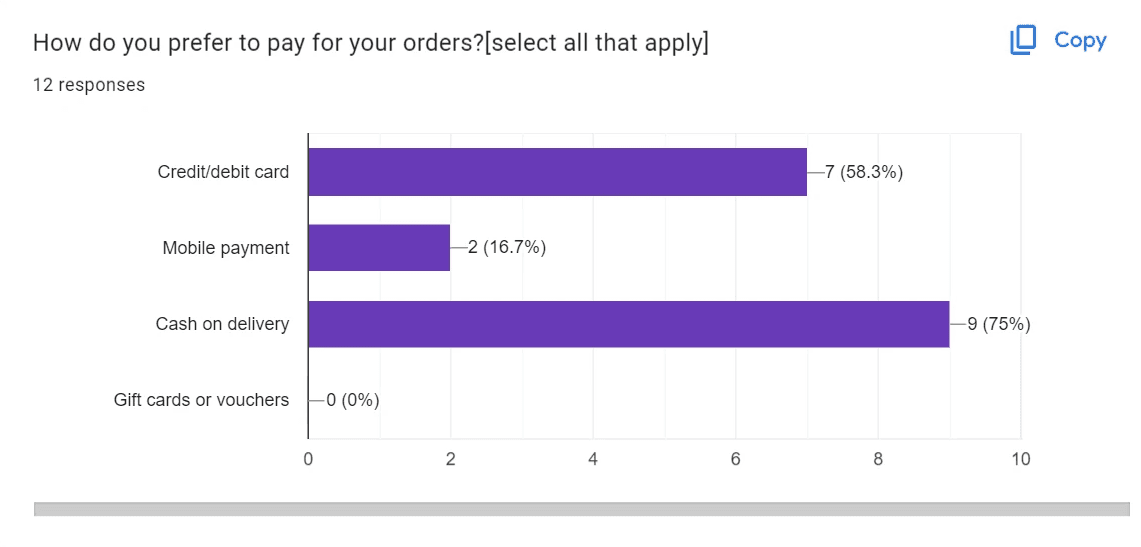
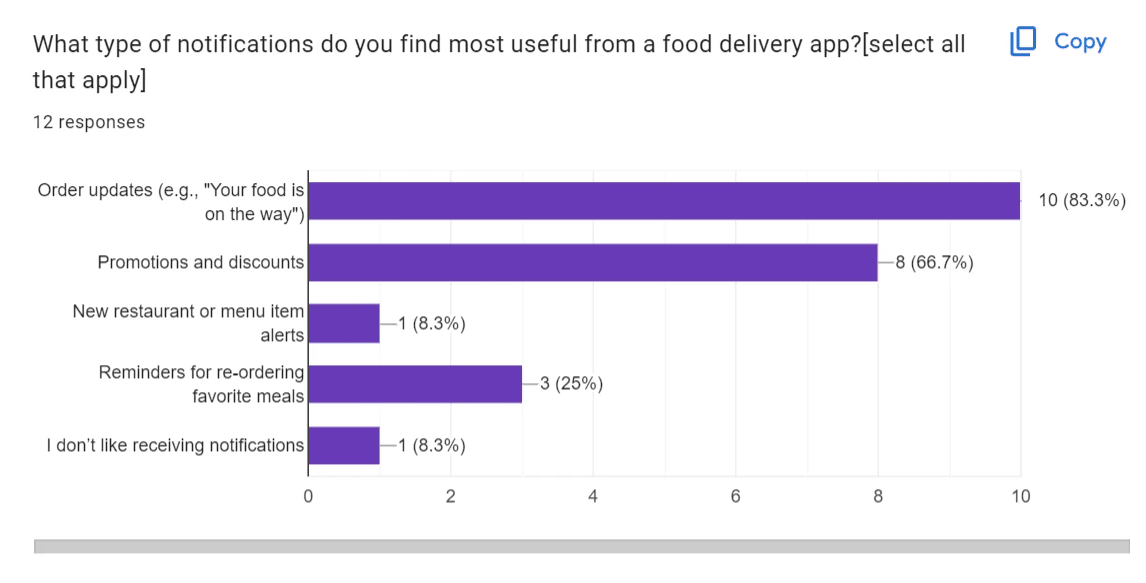
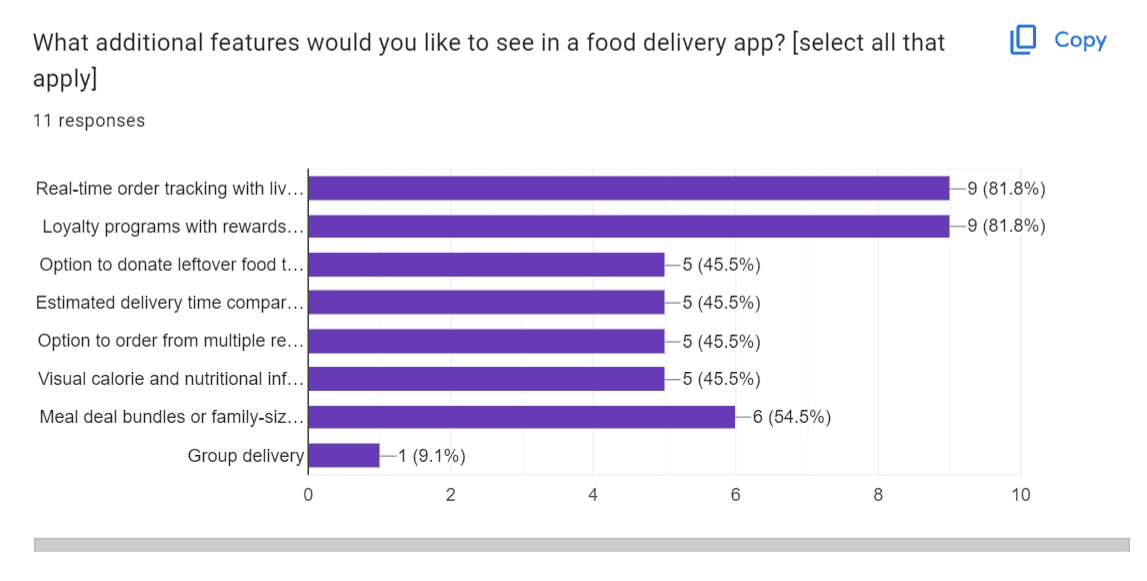
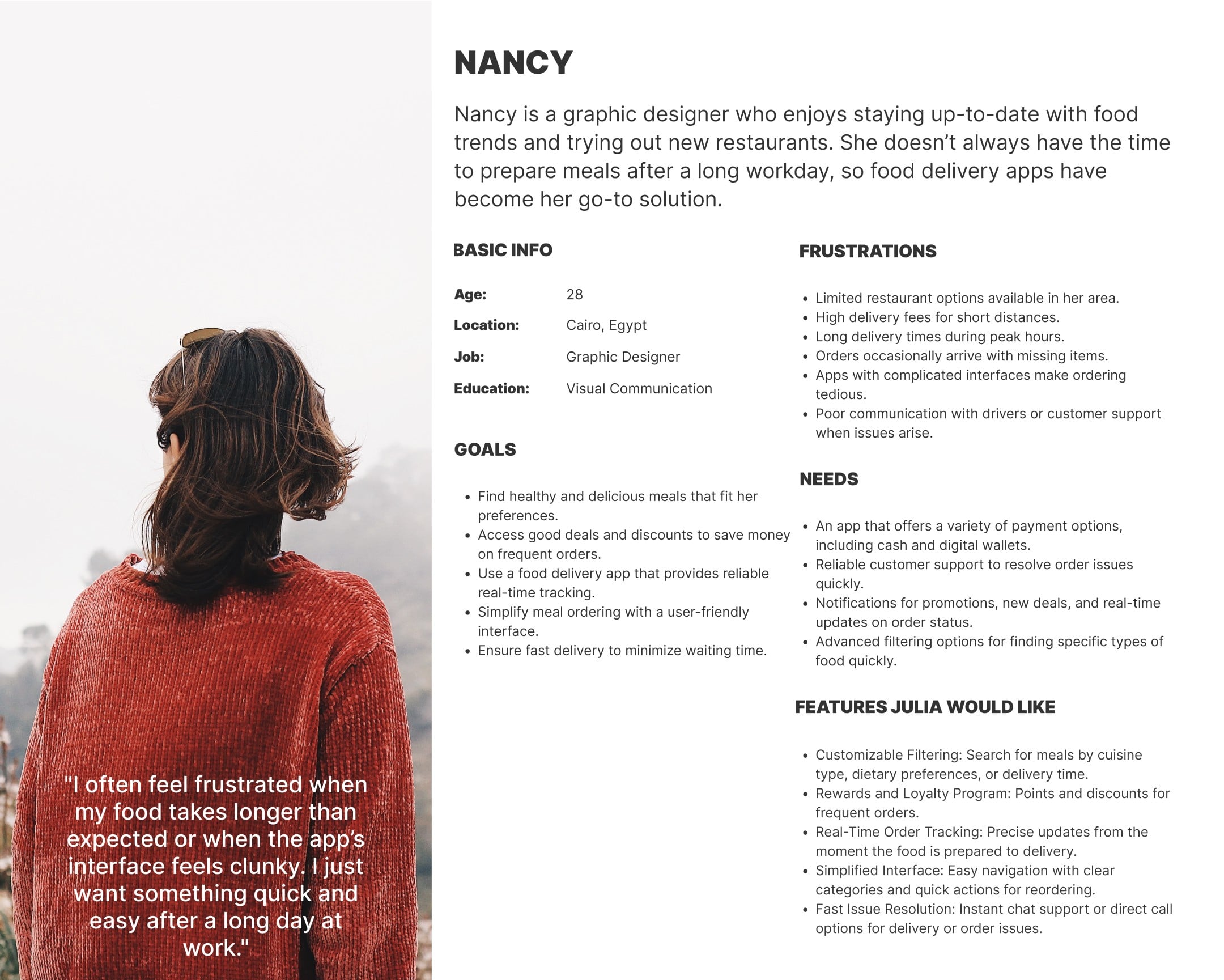
A mix of user research, stakeholder interviews, and competitive analysis uncovered key pain points and opportunities.
- Users struggle with high fees, inconsistent delivery, and limited options
- Stakeholders focused on market fit, revenue, logistics, and user retention
- Competitive analysis revealed gaps in delivery speed, affordability, and service quality
Define
Findings shaped a clear app structure, streamlined user flows, and intuitive prototypes. Focus areas included:
- Navigation: Simplified paths for quick access
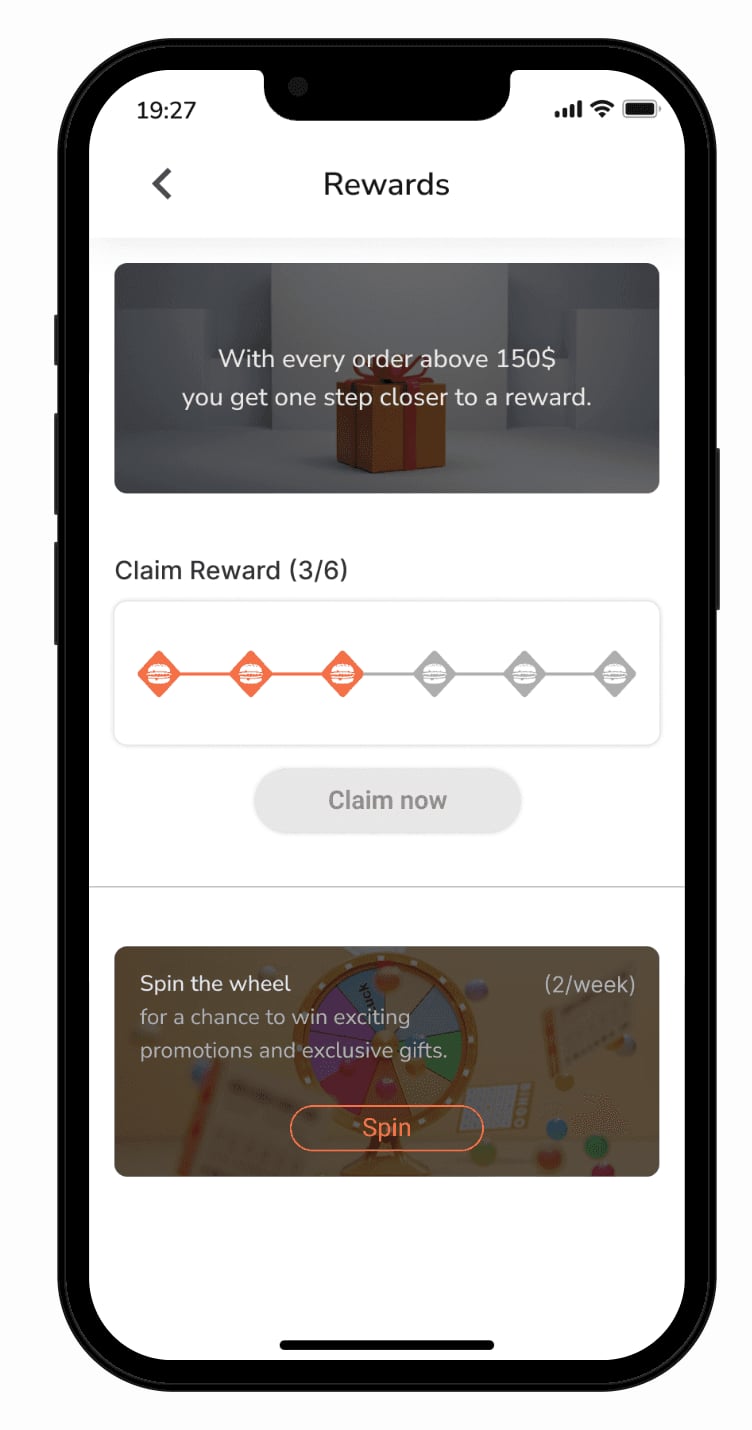
- Engagement: Better visibility for discounts & rewards
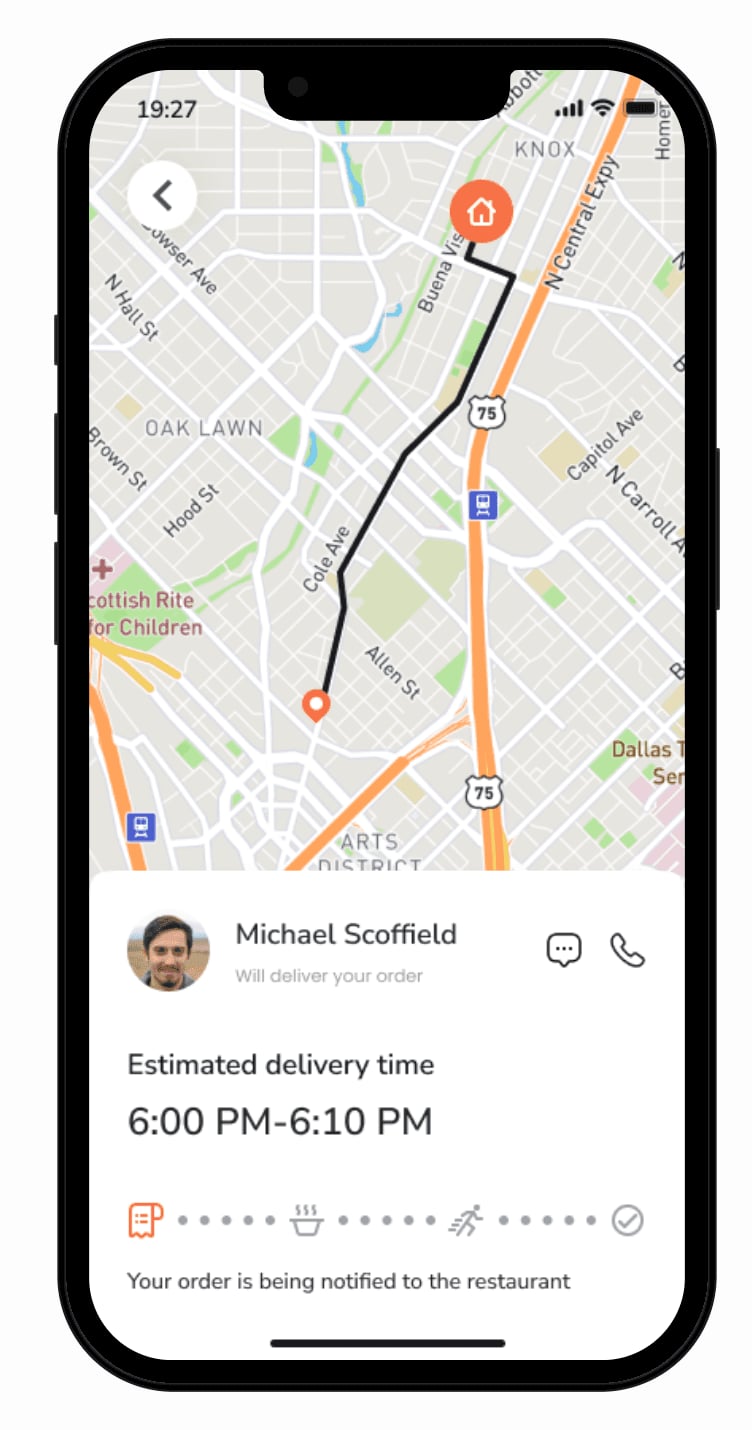
- Tracking: Enhanced real-time updates for deliveries
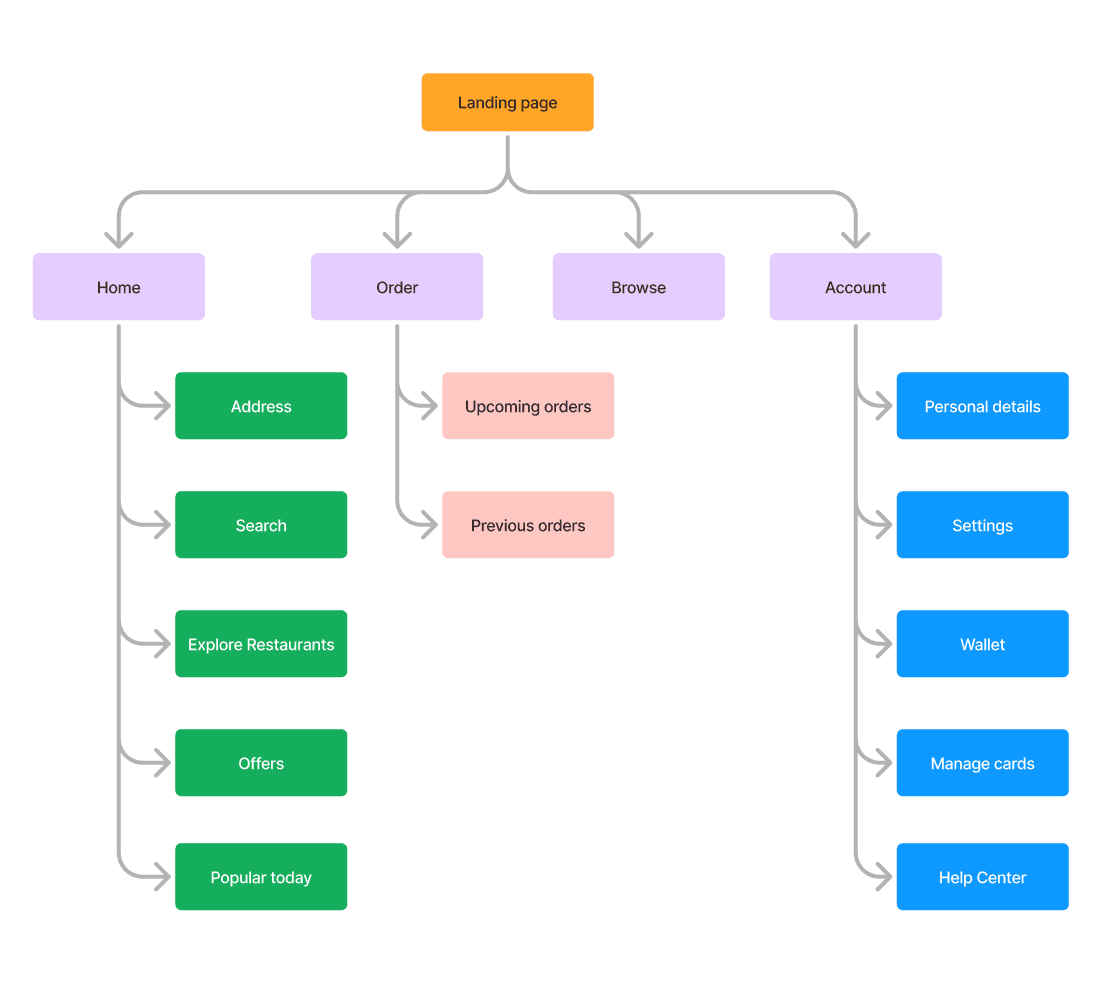
A structured Information Architecture ensures effortless exploration, making the app seamless and user-friendly.
Ideate
Information Architecture
A structured visual map streamlining Home, Order, Browse, and Account sections, ensuring easy navigation, quick access to key features, and a seamless user experience.
Prototype
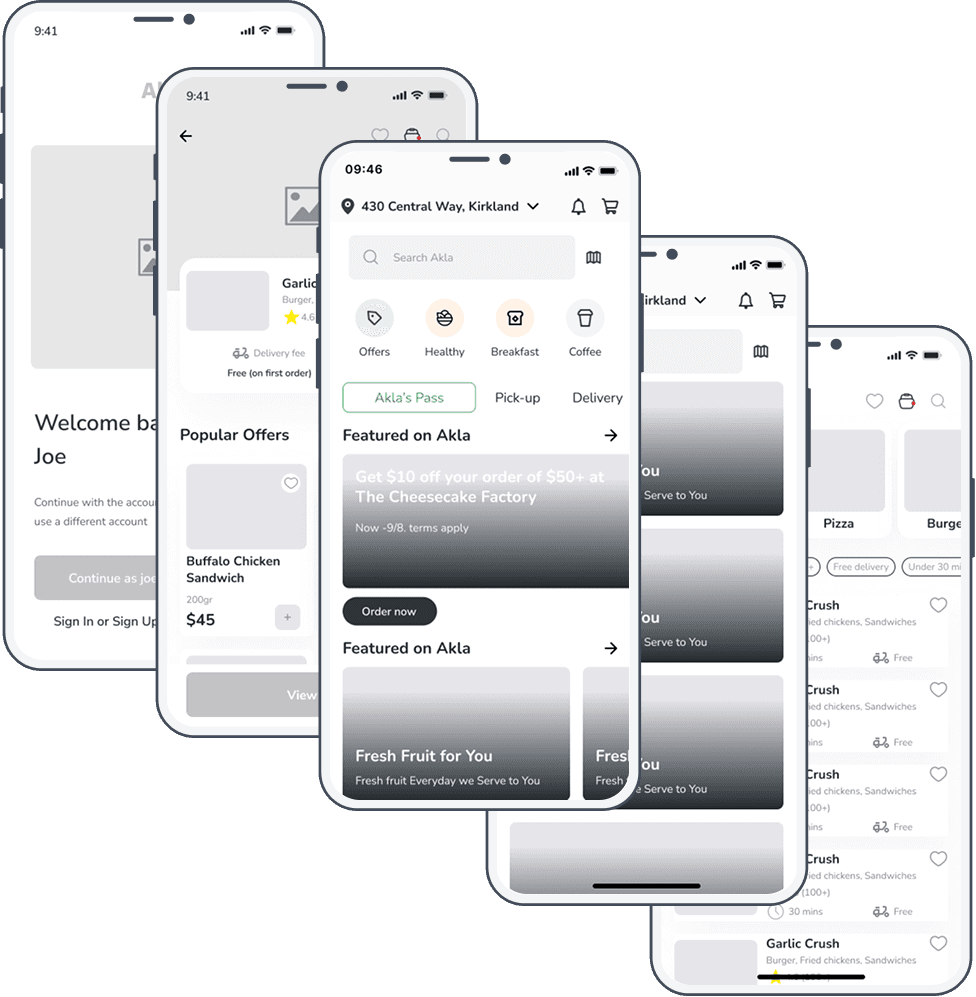
Wireframes (Lo-fi/Mid-fi)
Early prototypes mapping user flows and core functionalities, laying the foundation for refining the experience and integrating competitive insights.
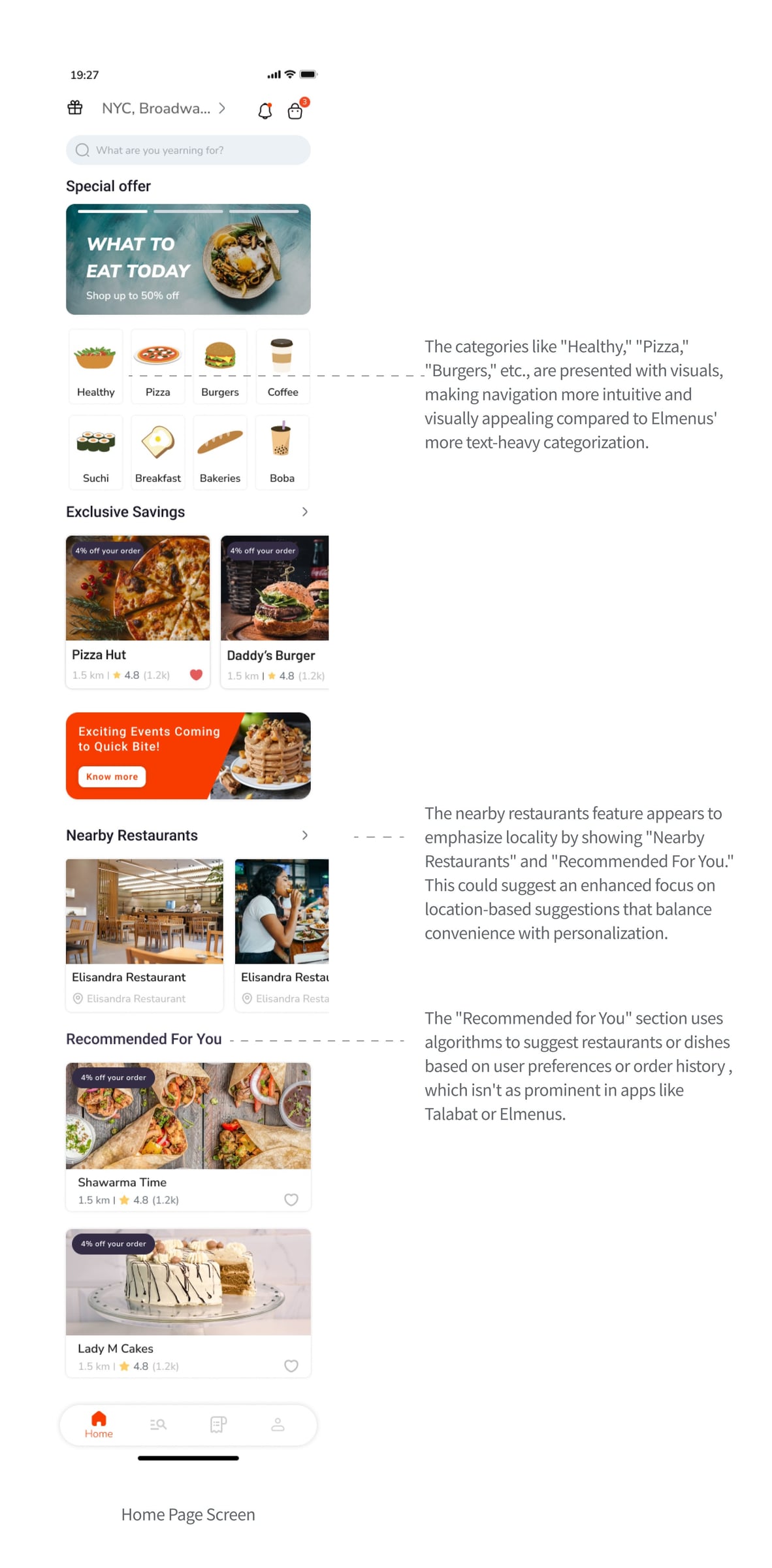
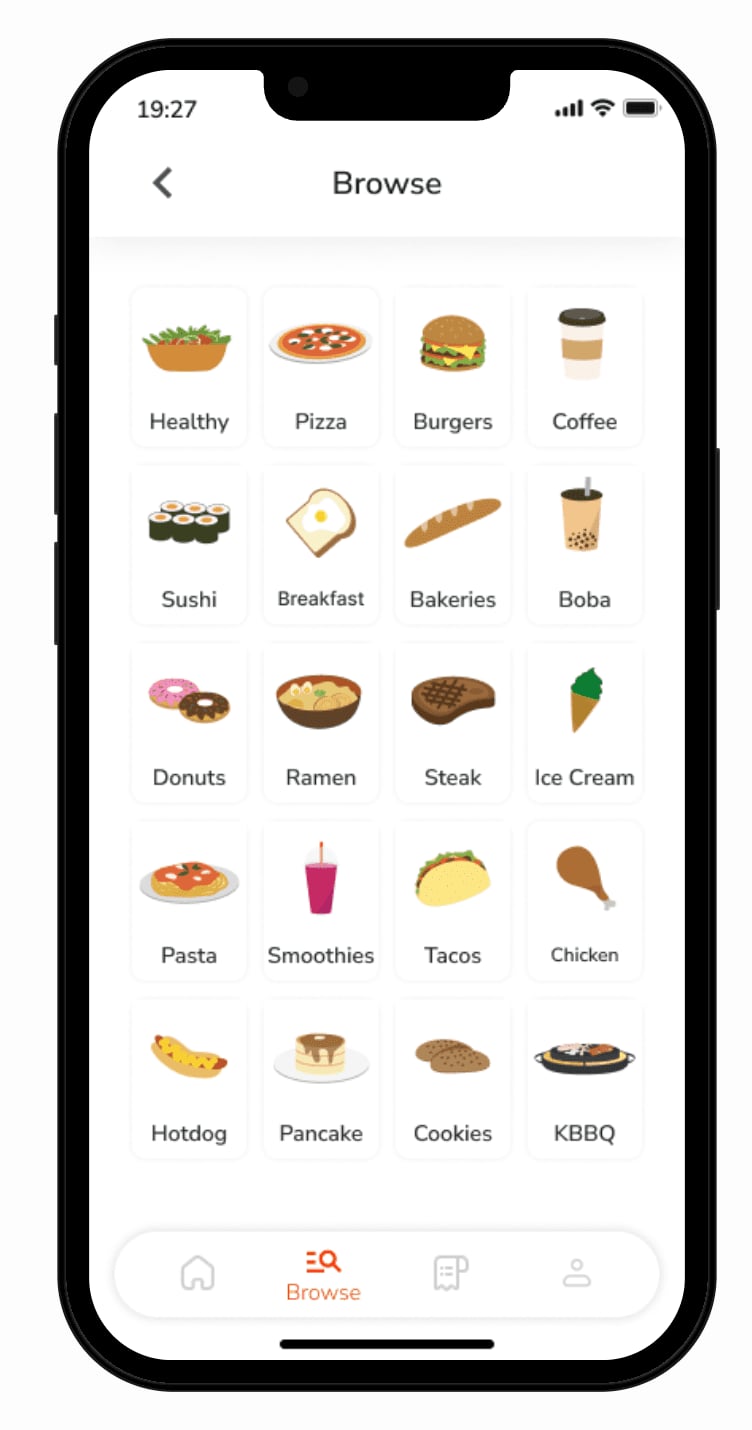
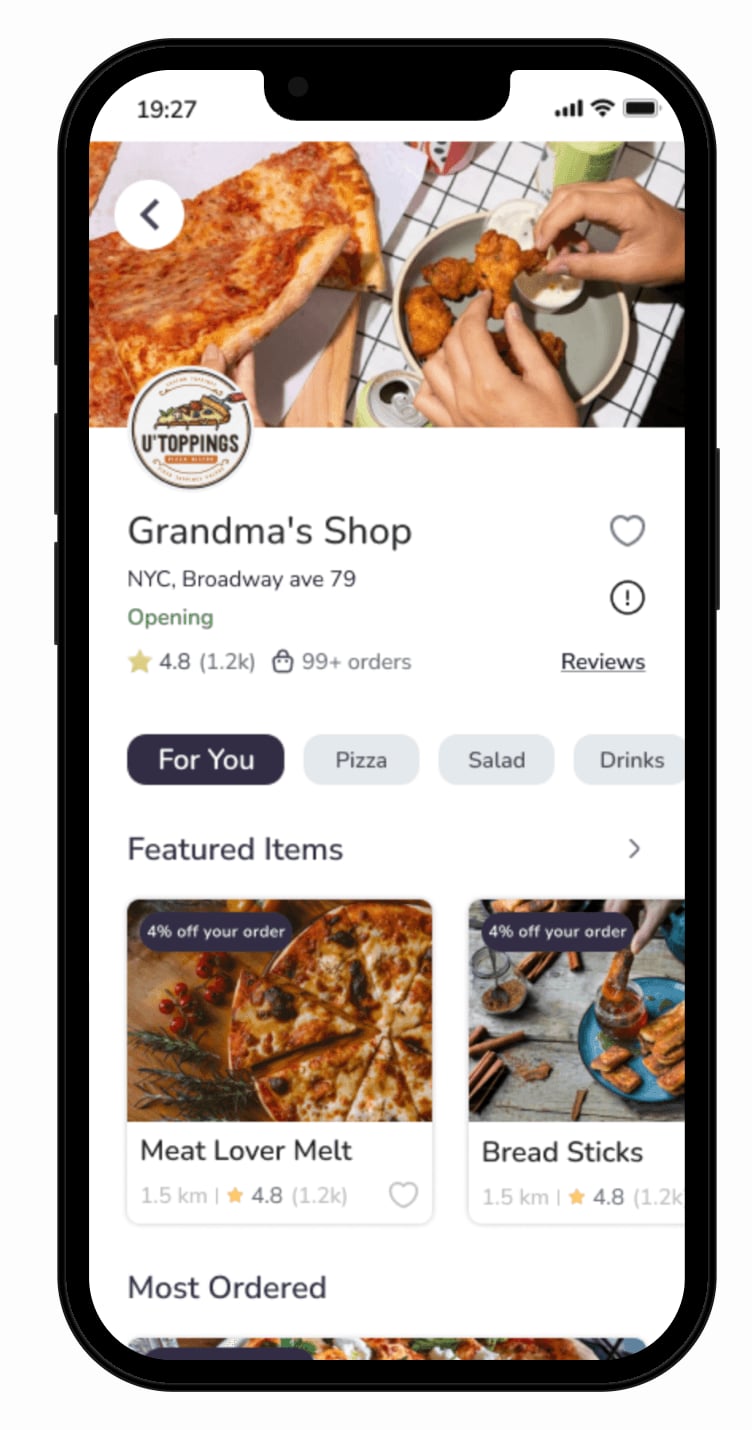
Visual Navigation: Intuitive categories and personalized recommendations
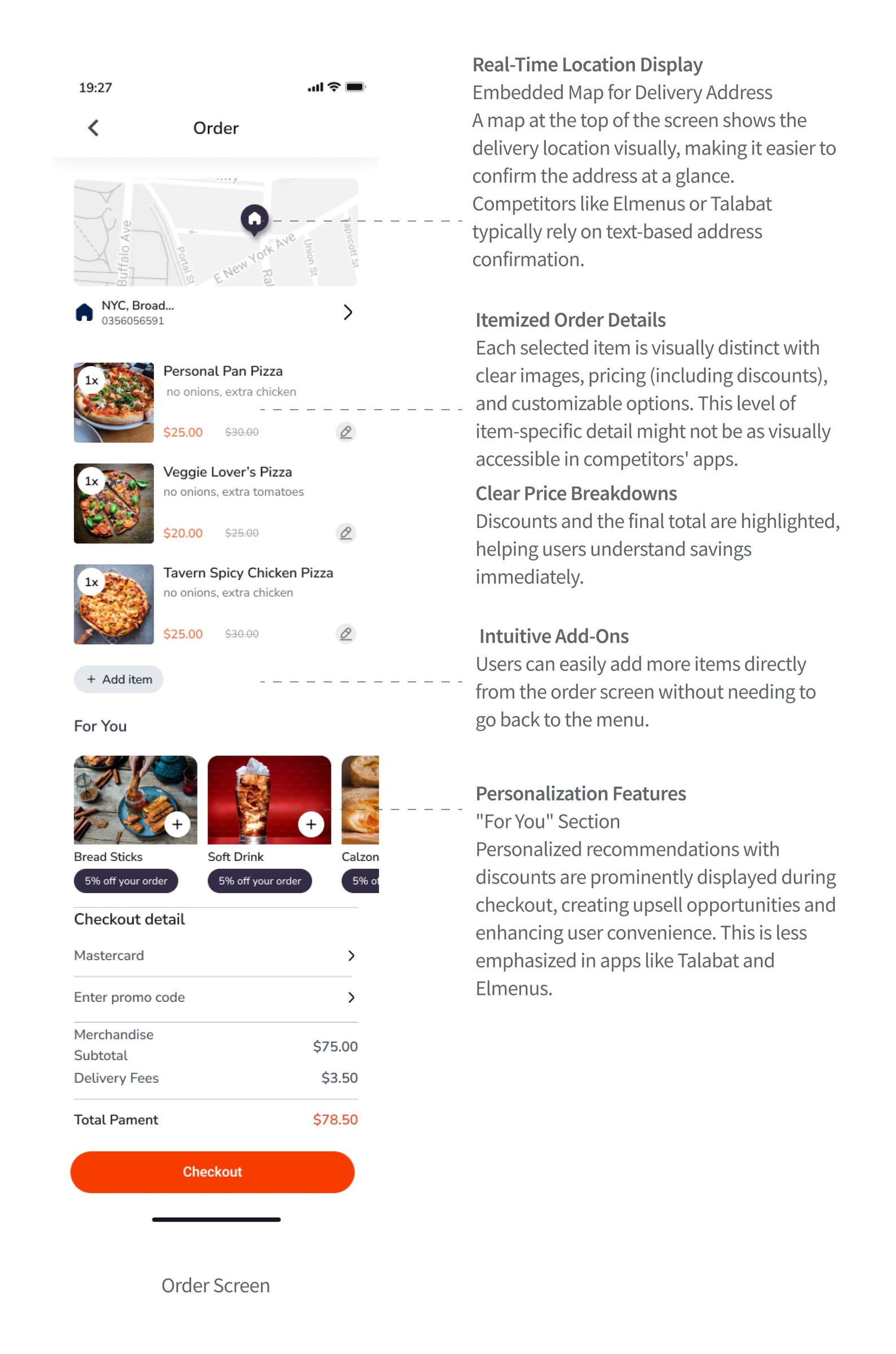
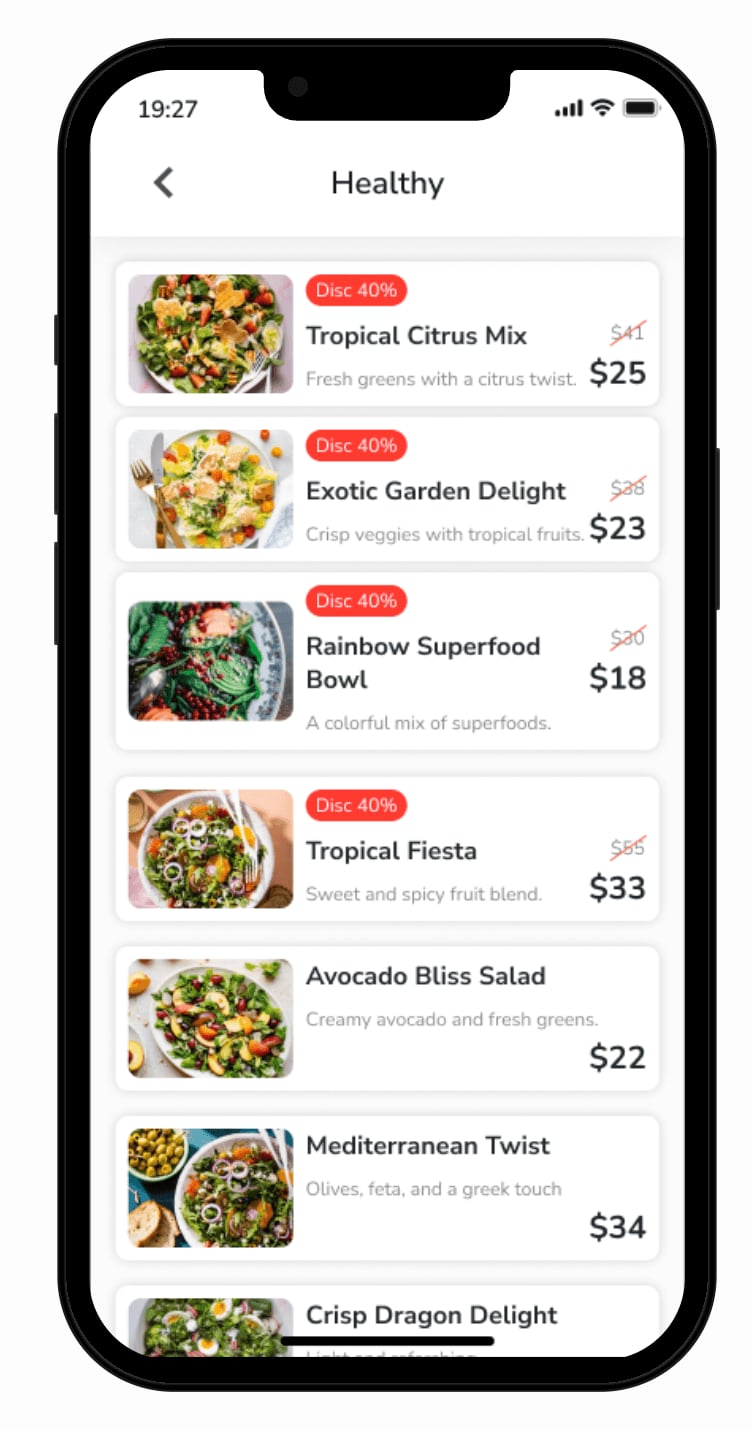
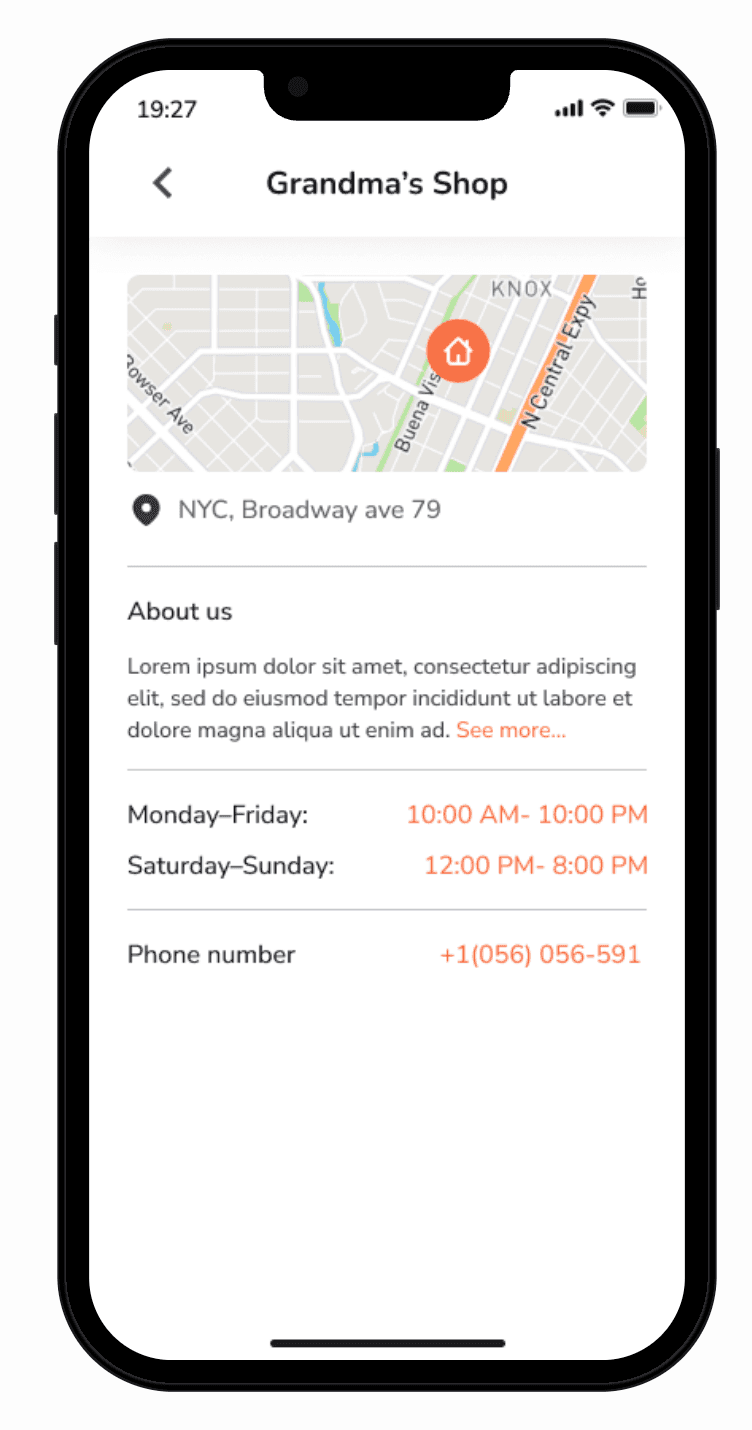
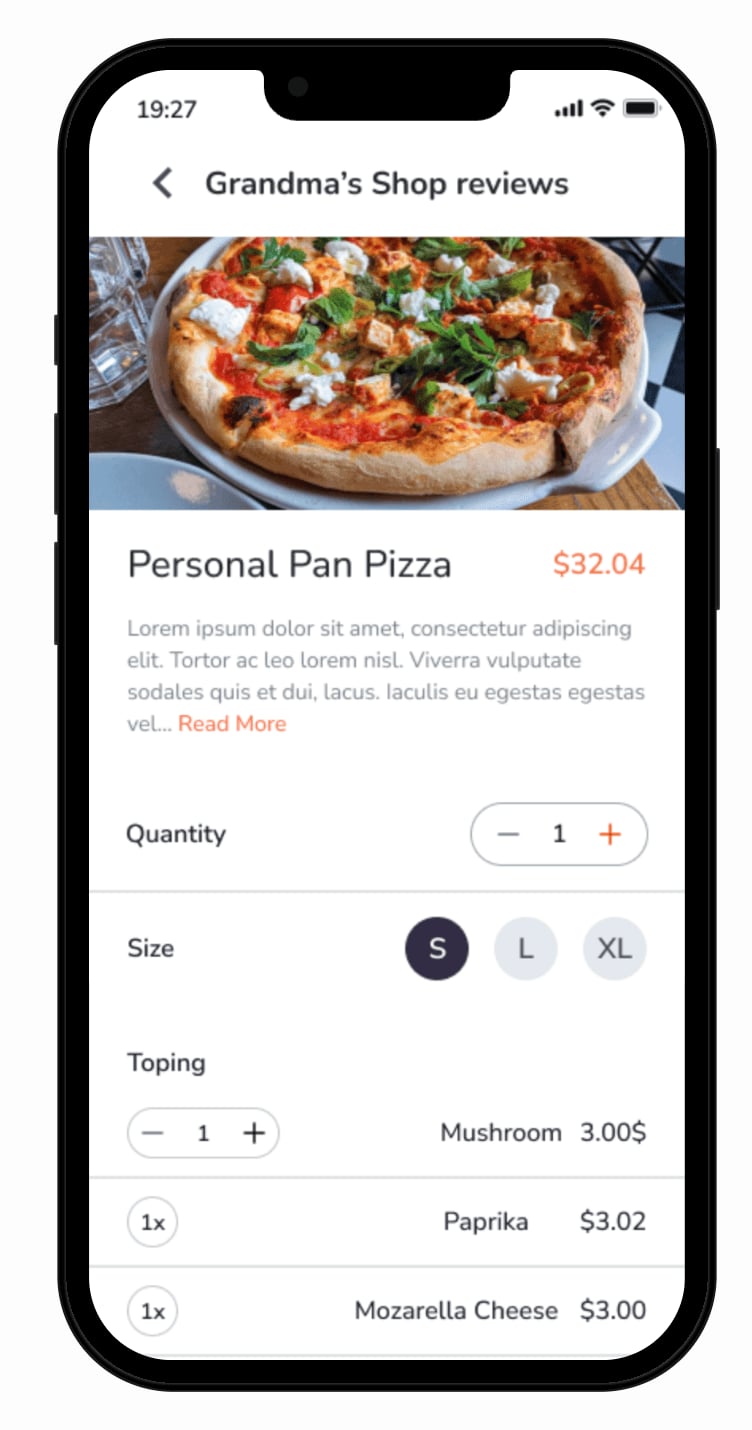
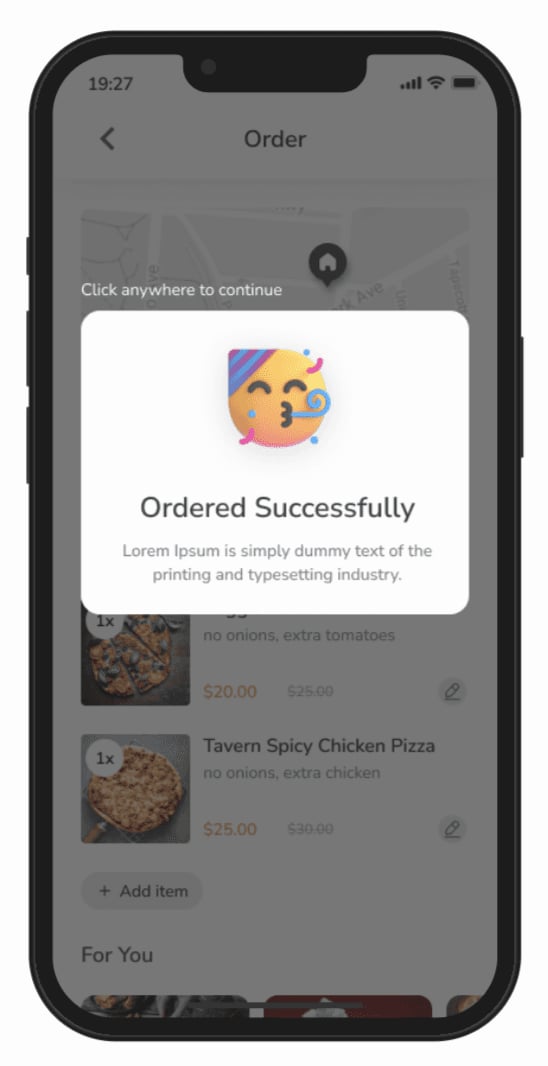
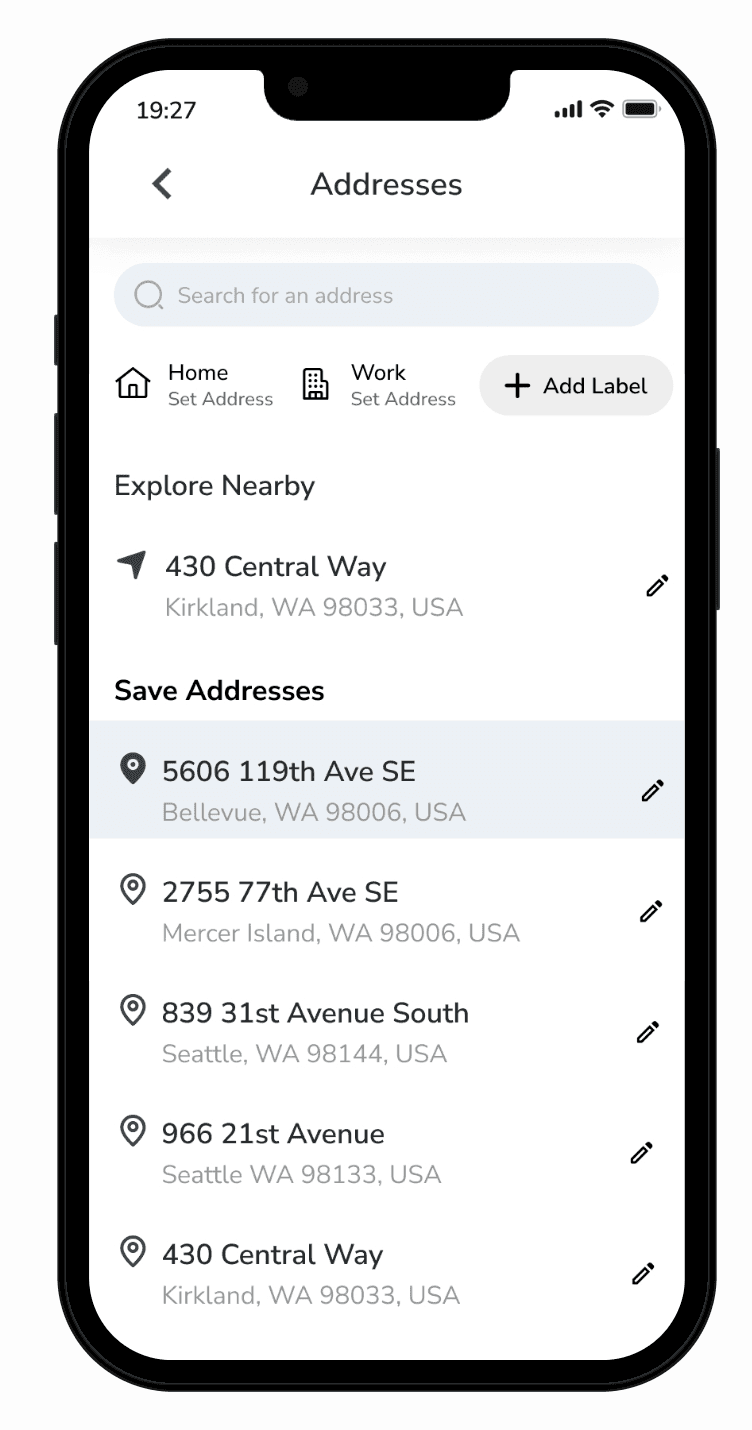
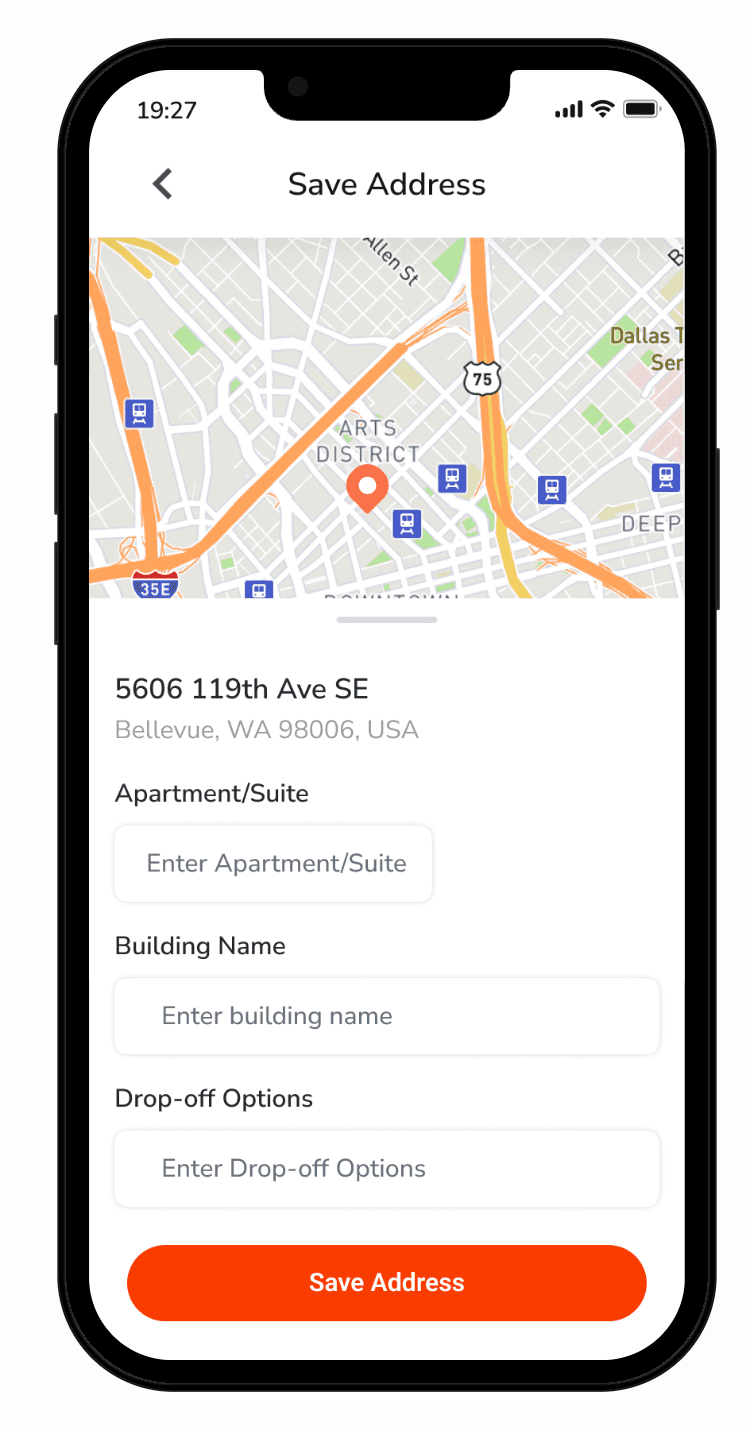
Seamless Ordering: Clear pricing, real-time address maps, and checkout suggestions
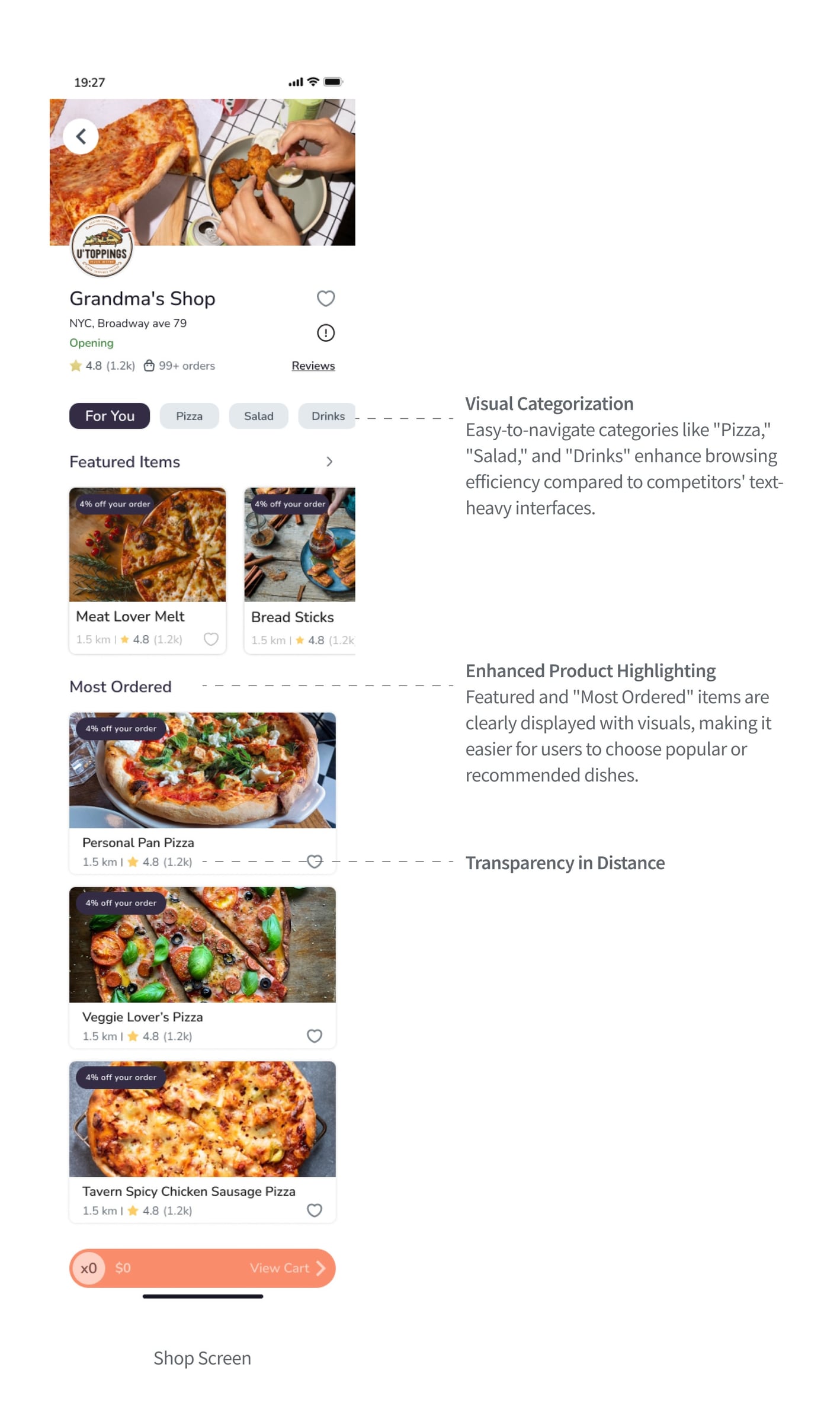
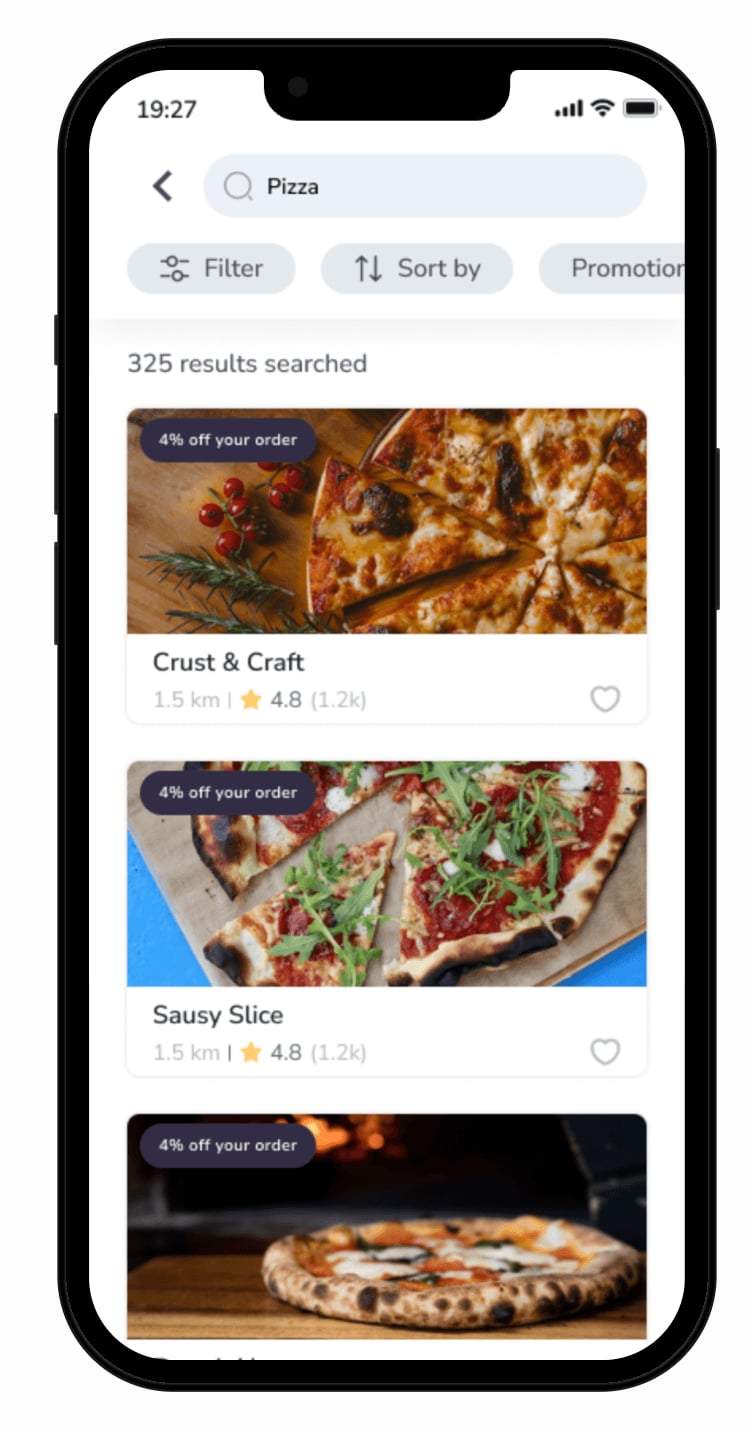
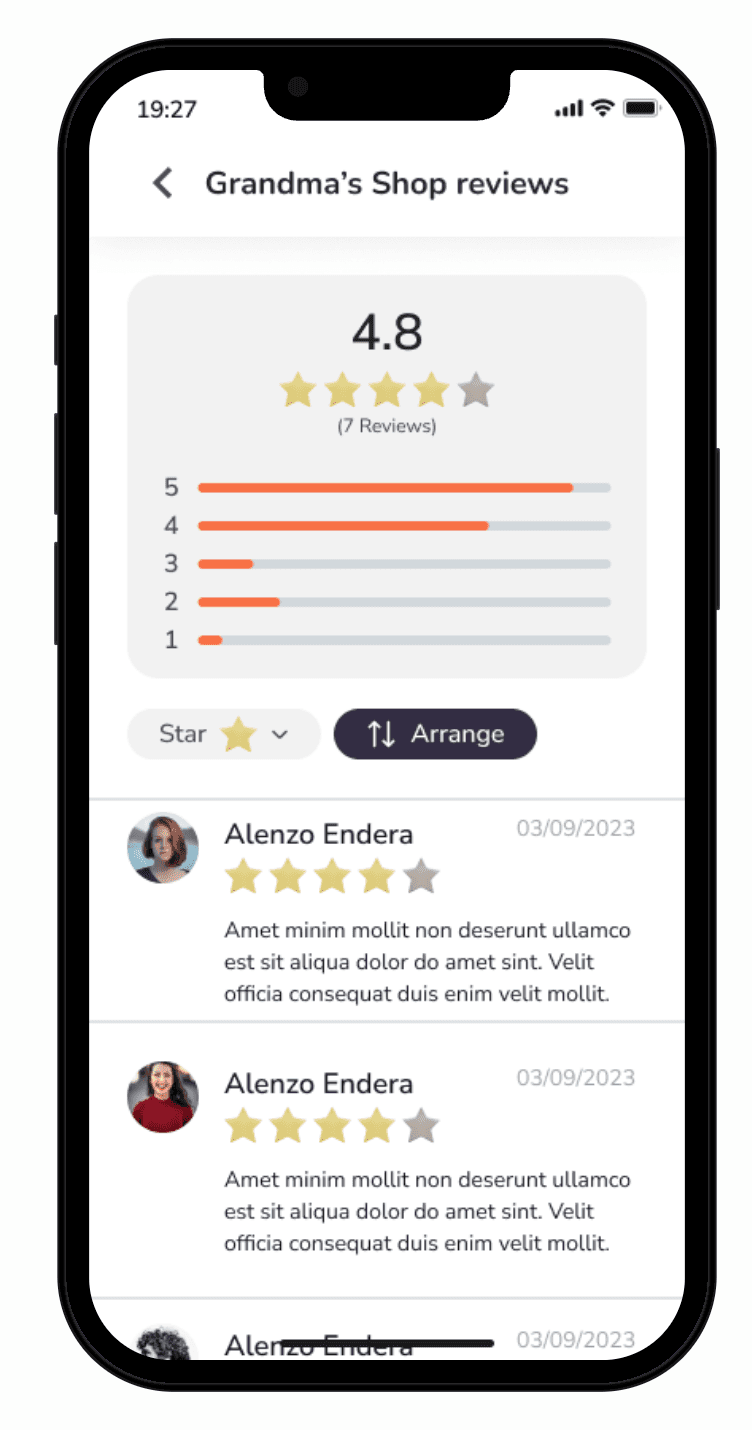
Effortless Discovery: Popular items, distance transparency, and visual menus
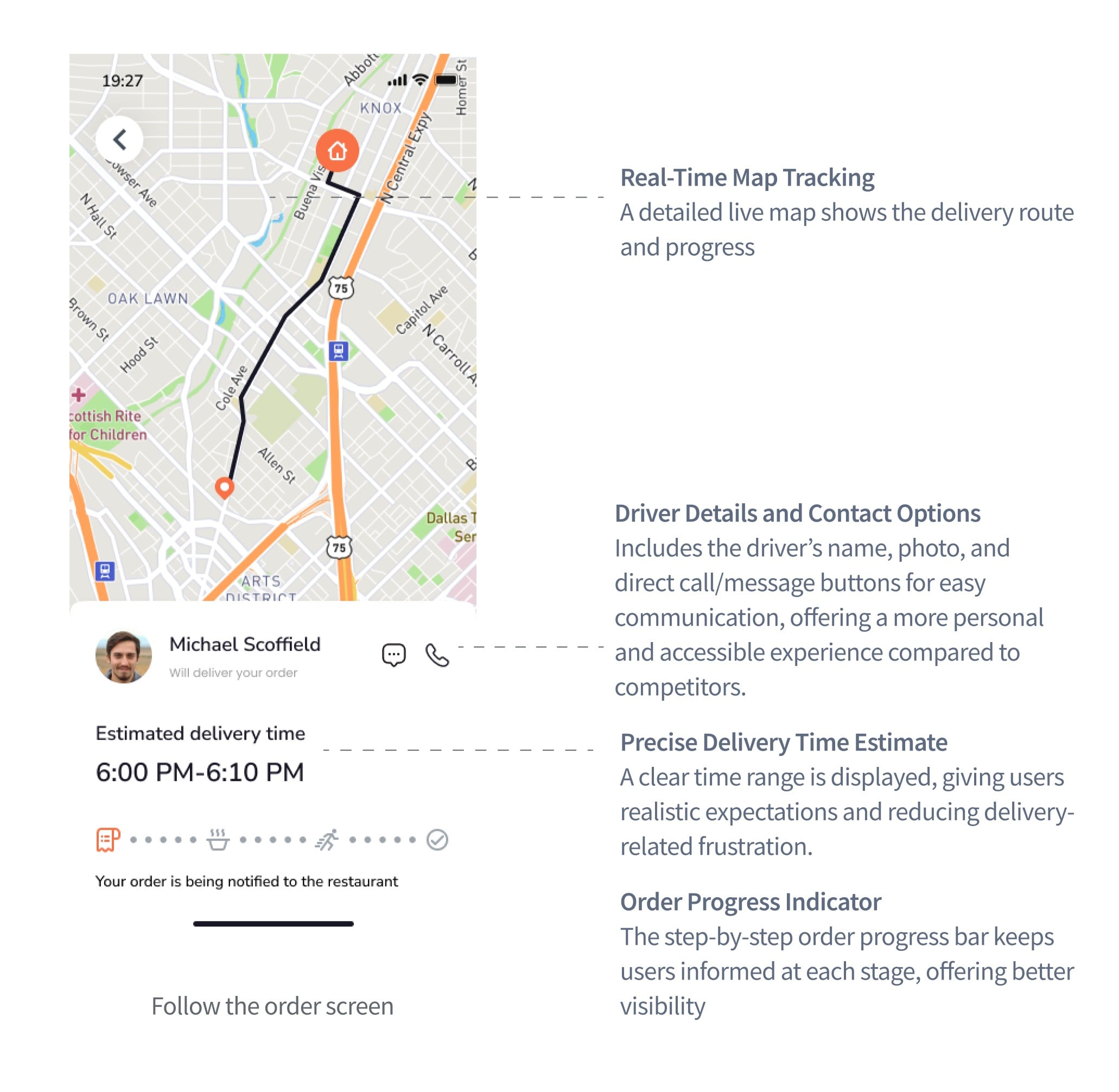
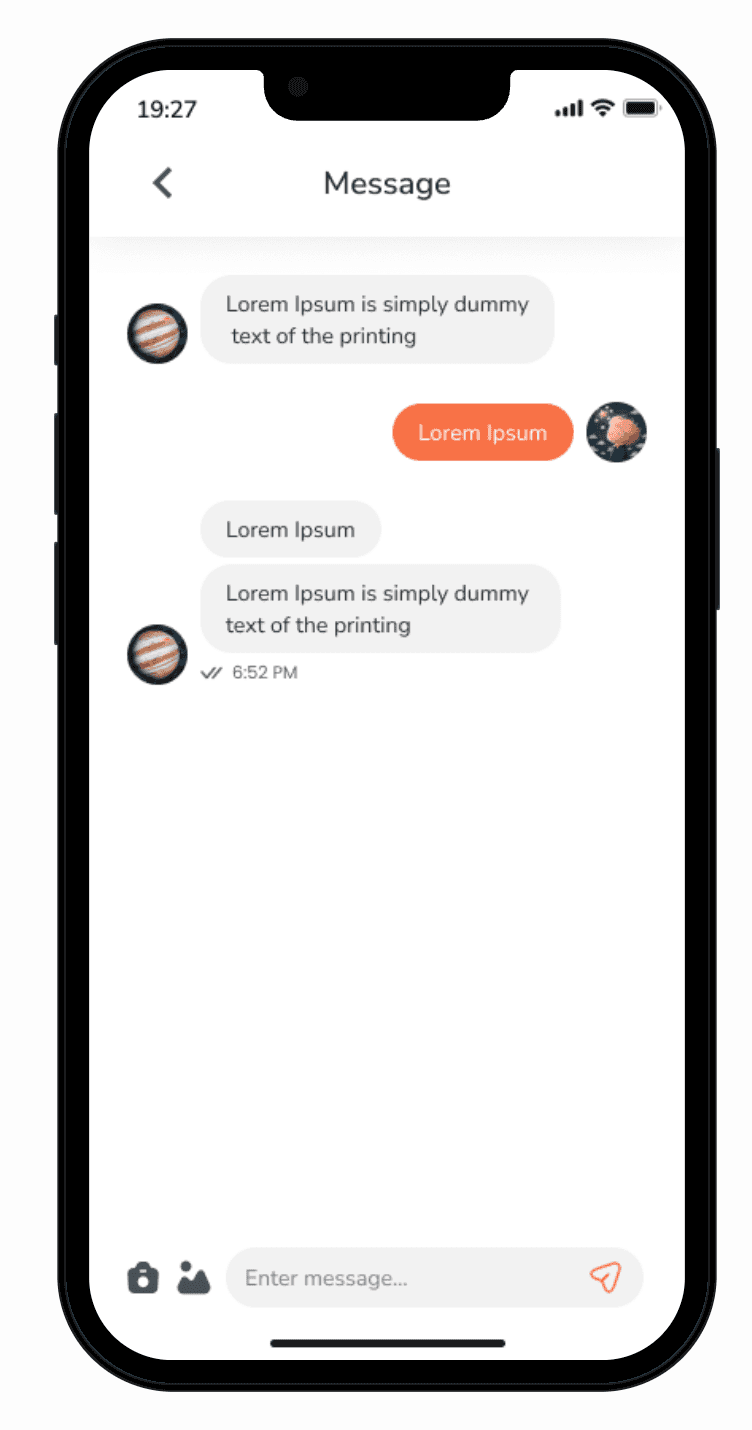
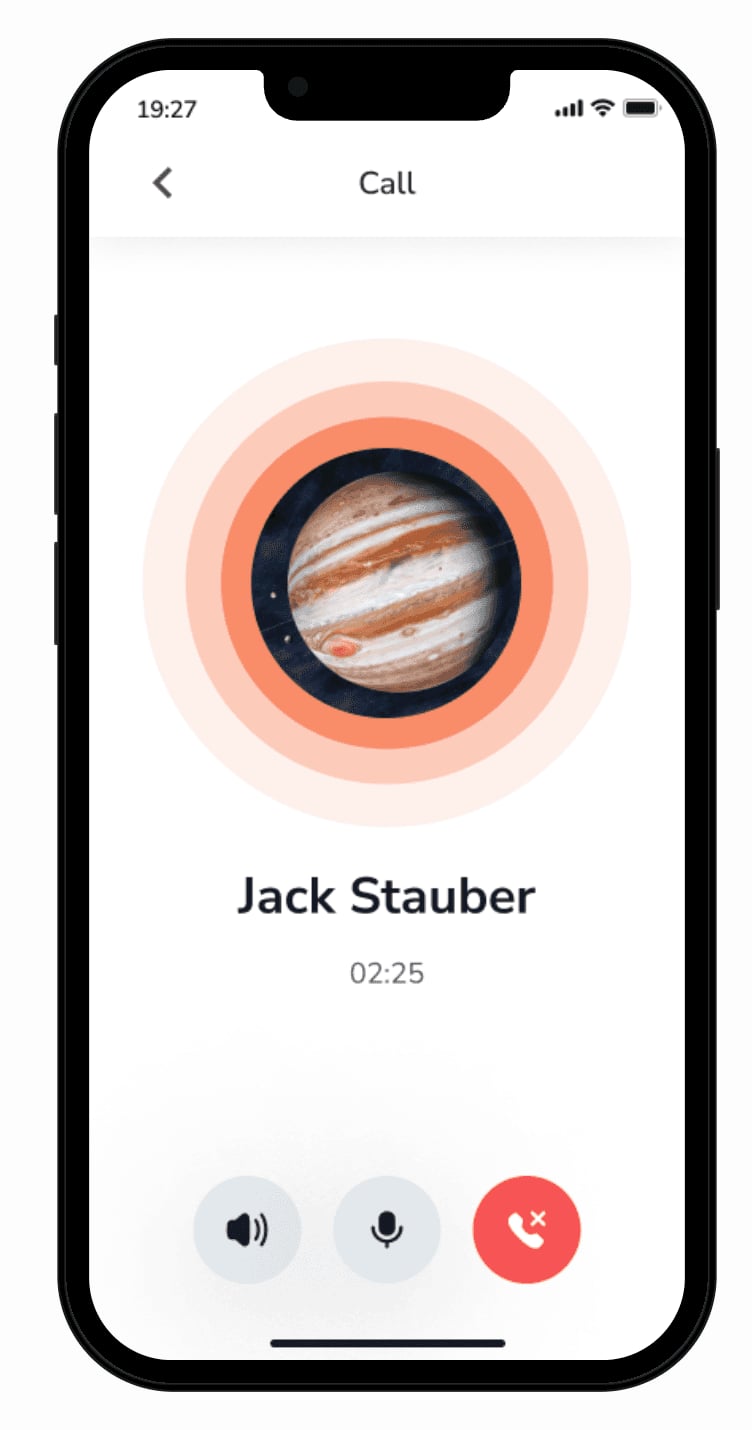
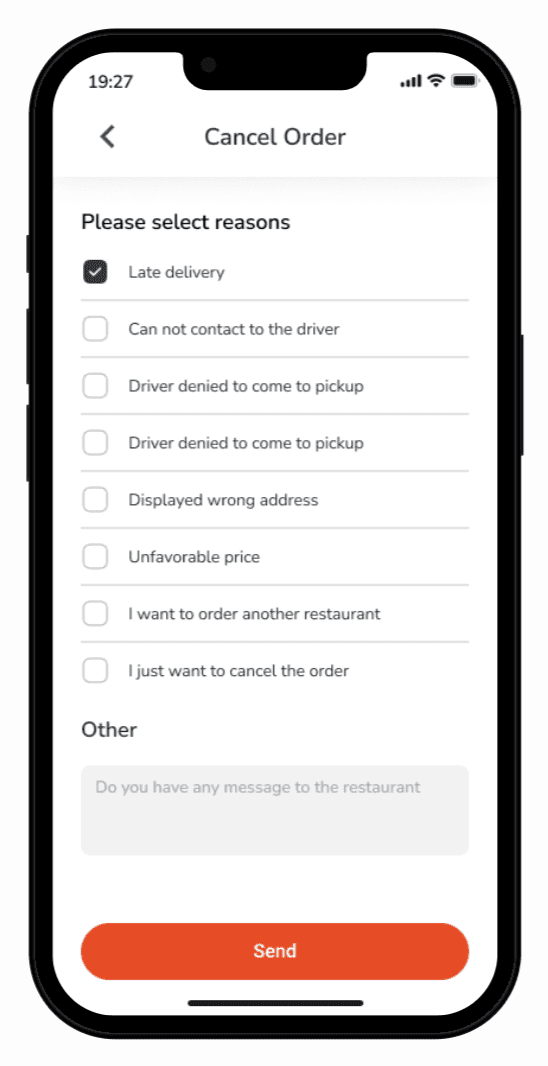
Delivery Confidence: Live tracking, driver contact, and precise time estimates
KeyLearnings
- User-Centered Design: Intuitive navigation and personalization enhance satisfaction
- Visual Feedback: Clear visuals improve decision-making and usability
- Real-Time Updates: Tracking features reduce user anxiety
NextSteps
- Usability Testing: Gather feedback for refinement
- Feature Expansion: Add advanced filters (e.g., dietary preferences)
- Marketing Strategy: Highlight unique features for competitive edge
- Iteration: Continuously improve based on insights and trends